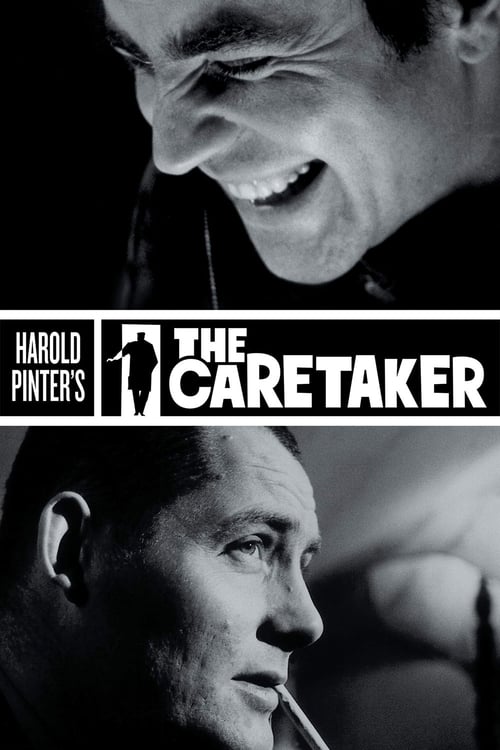
The Caretaker
1964
No user ratings available yet
Diversity score: 2.7 out of 10

1970
Director
Tony Scott
Runtime
52 minutes
Average Rating
No ratings yetSynopsis
An isolated brother and sister live with their memories and a grisly secret.
Overall Score
Limited
Category Breakdown
LGBTQ+ Representation
The film focuses on a sibling bond shaped by shared trauma. There is no evidence of non-cisnormative identities or same-sex intimacy within the narrative.
Gender Representation
The story centers on an elderly brother and sister. While both carry psychological weight, the film does not explicitly subvert traditional gender hierarchies.
Racial & Ethnic Diversity
The film features a homogeneous cast within a localized British context. There is no indication of a multi-ethnic cast or non-white characters.
Religious & Cultural Diversity
The narrative explores subjective morality by centering on characters who bypass legal institutions. It depicts how wartime trauma can drive anti-social behavior.
Disability Representation
The characters suffer from psychological trauma following the Second World War. However, this trauma serves the plot rather than offering a nuanced study of disability.
Strengths
Areas for Improvement
AI Analysis
Loving Memory is a psychological character study centered on the moral ambiguity of two siblings. The film prioritizes the exploration of individual trauma and the consequences of a shared secret over systemic representation. The narrative lacks intersectional complexity, focusing instead on a homogeneous British social context. While it challenges conventional social behavior through its depiction of wartime-induced moral relativism, it does not intentionally diversify its cast or identities. Ultimately, the film functions as a study of guilt and survival. It uses psychological scars as a plot driver rather than a means to explore broader demographic or social diversity.
1964

1980
1970
1970
1987
1982

1968
2025

2015
1970

2009
1993
No reviews yet. Be the first to share your thoughts on this movie!
Use the rating form above to leave a star rating and optional review.