
Heart of Midnight
1988
No user ratings available yet
Representation score: 4.3 out of 10
Representation Score
Fair
2015
TV-14Director
Lance Kawas
Runtime
89 minutes
Average Rating
No ratings yetNew Showbiz Analysis
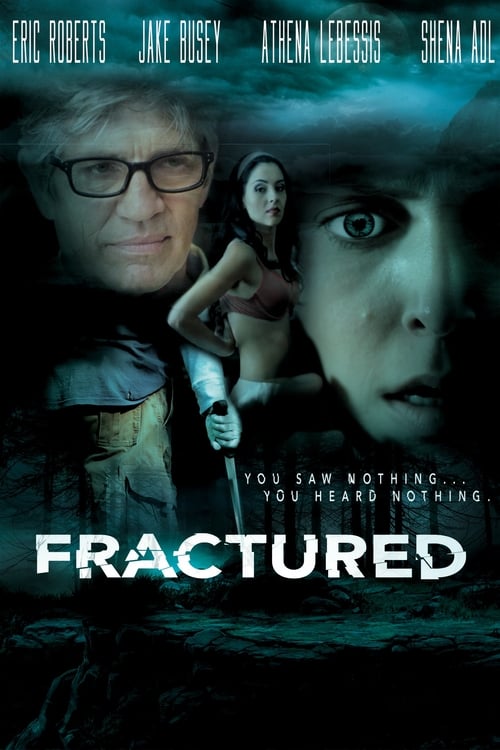
Fractured functions as a character-driven psychological thriller that prioritizes individual trauma over social critique. While it provides a central role for a complex female lead, the narrative structure relies on traditional archetypes and power hierarchies. The film lacks significant depth in representing multi-layered issues, particularly regarding racial and LGBTQ+ representation. Characters and settings adhere to conventional Western norms without intentional demographic blending. The exploration of mental instability offers some depth to disability representation, but the absence of systemic critique limits the diversity score.
Category Breakdown
The story focuses on a traditional romantic relationship between May and her boyfriend, with no representation of non-straight or non-cisgender identities.
A female protagonist drives the narrative through her psychological struggles, while male authority figures in clinical and investigative roles suggest traditional power dynamics.
The casting follows conventional Western demographic norms, with no indication of diverse or non-Anglo-Saxon majority within the character descriptions.
The film explores themes of mental health and institutional authority, focusing on individual psychological trauma without offering a systemic or cultural critique.
The plot delves into neurodivergence and mental health through the protagonist's black-out episodes, emphasizing her psychological complexity within a clinical setting.
Present on Screen
Limited or Absent
Official Synopsis
May Oster (Athena Lebessis), is a beautiful, pensive, somber woman in her mid twenties; one morning, she discovers her boyfriend's bloody scarf in her apartment following a black-out episode. This unearthed white scarf covered in crimson drives May to attempt suicide. May is taken to a psychiatric ward under the care and influence of Dr. Ballard, psychiatrist/acclaimed author (Eric Roberts). May is immediately thrown into seclusion. Detective James Harding (Busey), appears to question May about a horrific murder. This questioning thrusts May into narrating an in-depth story about an unnamed woman's involvement with unsavory characters leading to multiple murders. Will May regain her sanity, restore her normal life and unravel the mystery of her true love? Only time will tell.
1988
2010

2005
1956
2010
2004
2022
1983
No reviews yet. Be the first to share your thoughts on this movie!
Use the rating form above to leave a star rating and optional review.