
Pero the Lump's Gang
1970
No user ratings available yet
Diversity score: 5.8 out of 10
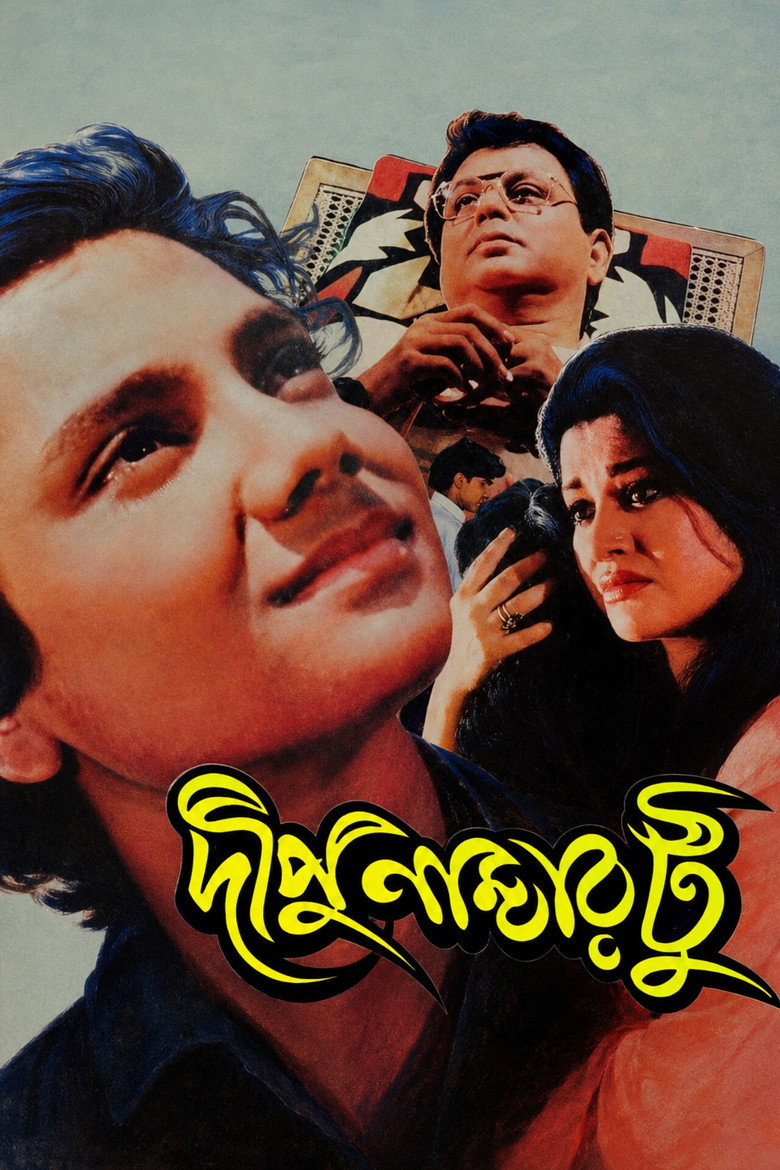
1996
Director
Morshedul Islam
Runtime
154 minutes
Average Rating
No ratings yetSynopsis
An adventure story for young boys, Dipu Number Two is the second film of a talented director from Bangladesh who is one of the few who concentrate on quality filmmaking in a country with a rich commercial film industry. The story is taken from a youth-oriented novel in which Dipu, a boy belonging to the educated class, is teased by the school bully but eventually forms a deep relationship with him. The rest is totally escapist in nature, including a scene in which the two youths manage to capture single-handedly an entire group of robbers.
Overall Score
Fair
Category Breakdown
LGBTQ+ Representation
The film lacks explicit LGBTQ+ characters or non-cisnormative identities. While it depicts a transformative bond between two young males, the relationship remains within traditional friendship archetypes.
Gender Representation
The story centers on a male protagonist and male-dominated social spheres. It focuses on the male experience of political instability, offering little female agency or subversion of gender hierarchies.
Racial & Ethnic Diversity
The film features an authentic, homogeneous Bengali cast that grounds the story in its specific post-colonial context. It asserts local identity without catering to a globalized aesthetic.
Religious & Cultural Diversity
The narrative critiques partisan violence and systemic instability by depicting the breakdown of social order. It frames political factions as sources of chaos rather than clear-cut moral forces.
Disability Representation
There are no prominent depictions of physical or neurodivergent disabilities used as central plot devices or character traits.
Strengths
Areas for Improvement
AI Analysis
Dipu Number Two is a sophisticated piece of regional cinema that uses an adventure framework to deliver a heavy socio-political critique. It succeeds by grounding its narrative in a specific South Asian context, prioritizing local identity over globalized tropes. However, the film's scope is narrow regarding intersectional representation. The focus on male-dominated schoolyard and political dynamics limits the presence of female agency and diverse gender perspectives. Ultimately, the film's strength lies in its deconstruction of authority. It portrays political institutions as disruptive forces, providing a nuanced look at the human cost of systemic factionalism.
1970

2009
1988
2009
1975

2012

1997

1994
2011
No reviews yet. Be the first to share your thoughts on this movie!
Use the rating form above to leave a star rating and optional review.