Cannon
1971
No user ratings available yet
Representation score: 1.9 out of 10
Representation Score
Limited
1975
Not RatedDirector
Virgil W. Vogel
Runtime
73 minutes
Average Rating
No ratings yetNew Showbiz Analysis
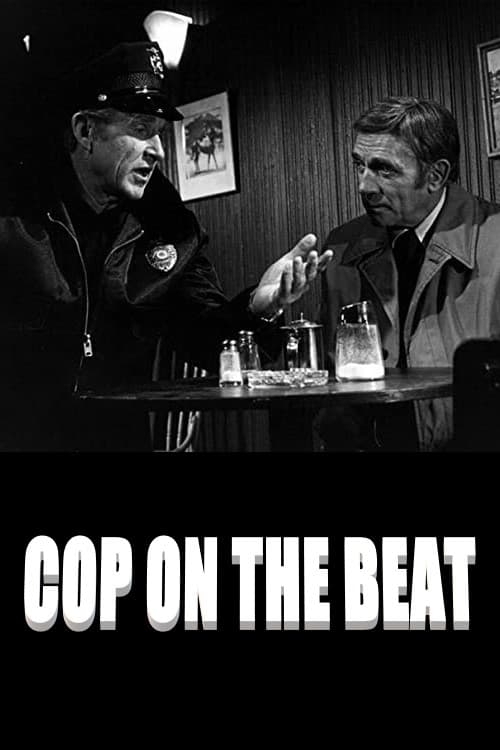
Cop on the Beat stands out as a significant example of how 1970s genre cinema can shift power dynamics along racial lines. By placing a Black protagonist in a position of authority, it challenges the era's typical white-led law enforcement narratives. However, the film adheres to traditional social hierarchies, focusing on masculine roles and excluding LGBTQ+ individuals and people with disabilities, thus limiting its overall inclusivity. Overall, the film is a study in urban realism that emphasizes racial ability to act and institutional critique while maintaining the conventional gender norms of its time.
Category Breakdown
The film does not include any characters with LGBTQ+ identities or non-cisgender backgrounds. It follows the typical straight-centered structures common in 1970s crime films.
The story focuses on traditional masculine roles where men hold authority. Women play secondary roles, reinforcing the conventional gender hierarchy.
The film highlights a Black protagonist with significant influence, challenging the usual white-dominated law enforcement narratives of the time. A predominantly Black cast adds depth to the story.
The story questions established institutions, showing law enforcement as corrupt or ineffective. It explores themes of distrust in systemic authority and anti-establishment ideas.
The film does not address neurodivergence, physical disabilities, or chronic illnesses. Characters are primarily defined by their physical abilities within the police context.
Present on Screen
Limited or Absent
Official Synopsis
An aging street cop goes after a gang of toughs involved in several robbery-rapes on his beat in this pilot (a spin-off from "Police Story") for the 1975-76 series. The veteran cop concept also was the basis for "The Blue Knight" series at the same time — and that, too, was based on a Joseph Wambaugh creation. Also known as "The Return of Joe Forrester."
1971
1973

1993
1973
2005
1976
1974
No reviews yet. Be the first to share your thoughts on this movie!
Use the rating form above to leave a star rating and optional review.