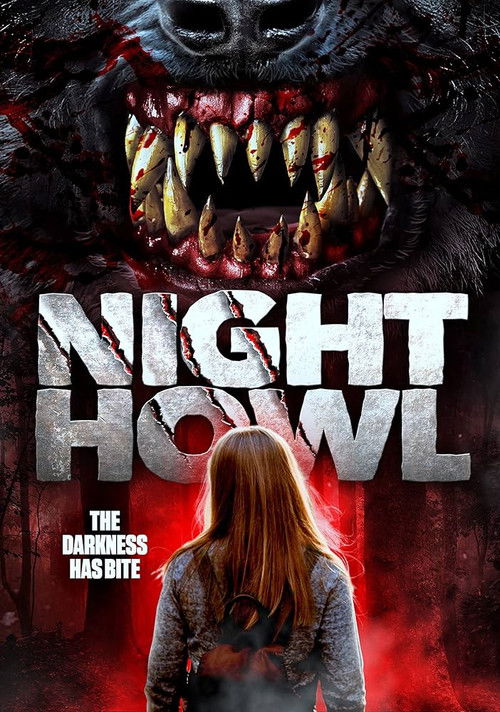
Night Howl
2017
No user ratings available yet
Diversity score: 5.3 out of 10

2022
Director
Gia Elliot
Runtime
90 minutes
Average Rating
No ratings yetSynopsis
Finding herself the victim of a violent monster attack, Jane launches a vigilante campaign to hunt the beast that tried to kill her. Jane's efforts intensify, but her troubling history of drug use and mental illness bubbles to the surface causing her family, community, and authorities to question the authenticity of her account. Suddenly alone in her fight, Jane starts to doubt her own memory of the attack...to doubt if Monster exists at all.
Overall Score
Fair
Category Breakdown
LGBTQ+ Representation
The film contains no explicit mention of LGBTQ+ characters or non-cisnormative identities. There is no evidence of queer-coded subtext within the narrative.
Gender Representation
Jane serves as a central female protagonist who actively resists traditional passivity. The story explores her agency while she battles a dismissive social structure.
Racial & Ethnic Diversity
The provided information does not specify the racial or ethnic composition of the cast. No assessment can be made regarding this category.
Religious & Cultural Diversity
The narrative critiques Western pillars of justice by portraying authorities and communities as skeptical of the victim. It prioritizes subjective experience over institutional truth.
Disability Representation
The plot centers on the intersection of mental health and perceived reality. Jane's history of mental illness and substance use drives the central conflict.
Strengths
Areas for Improvement
AI Analysis
Take Back the Night is a psychological horror film that focuses heavily on the internal and social struggles of its female lead. It succeeds in subverting gendered tropes by presenting a protagonist who fights for her own credibility against a skeptical community. The film's strength lies in its nuanced handling of mental health and the unreliability of perception. By centering the narrative on Jane's trauma and her struggle with memory, it moves beyond a simple monster movie into a critique of institutional trust. However, the film's diversity is limited by a lack of visible representation in other key areas. Without information on racial or LGBTQ+ characters, the scope of its social commentary remains narrow.
2017
2017
2018
2017

2019
2020
2015
2015
2014

2016
2019

2011
No reviews yet. Be the first to share your thoughts on this movie!
Use the rating form above to leave a star rating and optional review.