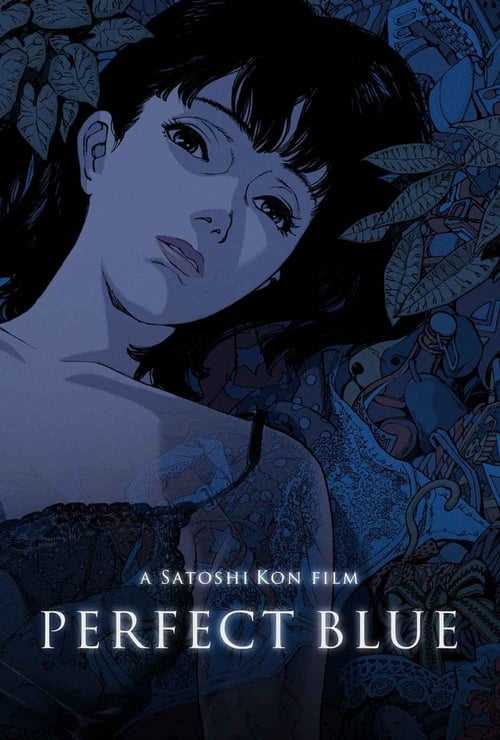
Perfect Blue
1998
No user ratings available yet
Representation score: 8.0 out of 10
Representation Score
Good
2002
Director
Toshiki Satō
Runtime
103 minutes
Average Rating
No ratings yetNew Showbiz Analysis
Perfect Blue: Yume Nara Samete is a psychological exploration of identity fragmentation within the idol industry. It excels in subverting traditional gender roles and critiquing systemic social pressures. However, the film remains culturally homogeneous and lacks significant racial diversity. Its exploration of mental health is primarily through the lens of psychological unraveling and tension.
Category Breakdown
The film does not explicitly confirm LGBTQ+ characters or non-straight relationships. However, themes of identity fluidity and self-performance relate to queer theory.
The story challenges traditional gender roles by focusing on a female protagonist's psychological independence. It examines how the entertainment industry strips away her autonomy.
The film focuses on a culturally homogeneous Japanese setting centered around the idol industry. There is no significant racial diversity or blended casting.
The movie critiques the systemic pressures of capitalist entertainment structures. It portrays the idol industry as a corrupting force that distorts individuals' sense of reality.
The film centers on mental health struggles and narcissistic delusions. These conditions are crucial to the plot but may be used primarily to create psychological tension.
Present on Screen
Limited or Absent
Official Synopsis
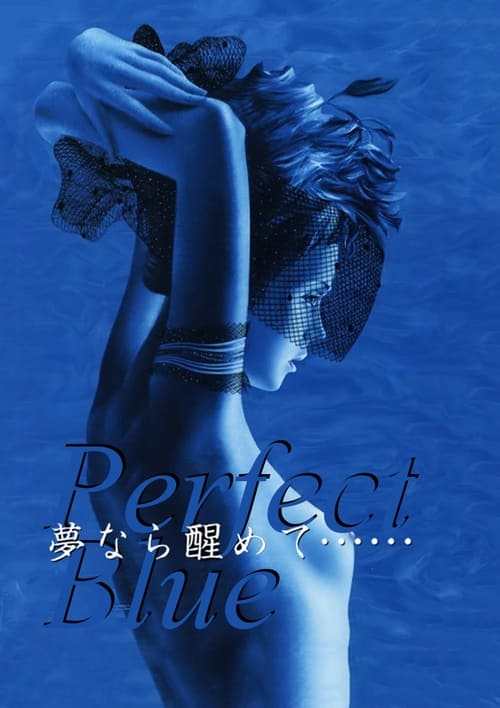
Perfect Blue: Yume Nara Samete (パーfectブルー 夢なら醒めて, Pāfekuto Burū: Yume Nara Samete) is a 2002 Japanese psychological thriller film directed by Toshiki Satō and adapted from the novel of the same name by Yoshikazu Takeuchi. The story centers on Ai, a teen pop idol transitioning to a recording career, whose life unravels amid fixation from a obsessive convenience store clerk, leading to themes of distorted self-perception, narcissistic delusions, and violent events.
1998

2001

1984
2005

2014
1995

2012

2011
No reviews yet. Be the first to share your thoughts on this movie!
Use the rating form above to leave a star rating and optional review.