Empty Quarter: A Woman in Africa
1985
No user ratings available yet
Representation score: 8.3 out of 10
Representation Score
Fair
1987
Director
Conny Templeman
Runtime
110 minutes
Average Rating
No ratings yetNew Showbiz Analysis
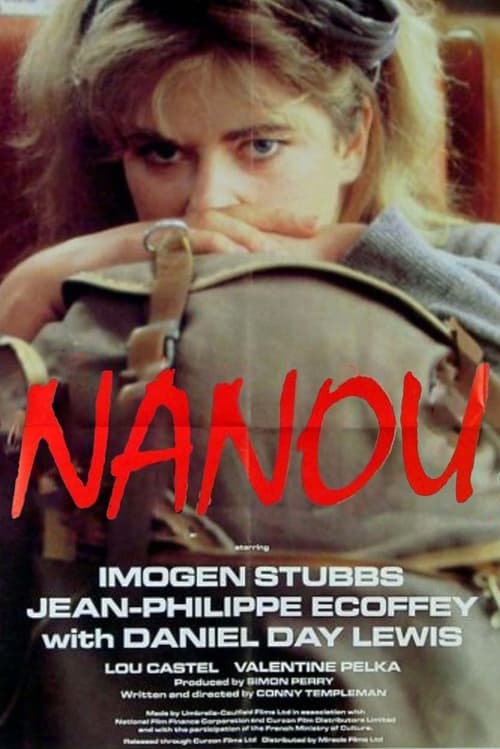
Nanou explores the tension between social structures and individual freedom. By focusing on a British student's interaction with a free-thinking French man, the film dismantles the notion of a 'staid' lifestyle in favor of cultural fluidity. The film successfully provides the female protagonist with intellectual ability to act and depth. However, it remains anchored in conventional romantic clichés and does not delve into significant multi-layered complexity or LGBTQ+ representation. Ultimately, the work serves as a moderate exploration of social disruption. It steers clear of strictly traditional storytelling but does not venture into radical identity politics.
Category Breakdown
The film centers on a traditional romantic relationship between a man and a woman. There is no indication of LGBTQ+ identities or same-sex intimacy.
The female protagonist demonstrates intellectual independence as a photography student. Her journey suggests a move away from submissive feminine stereotypes through her pursuit of personal desires.
The story features a cross-cultural dynamic between British and French characters. It shifts away from a purely Anglo-centric viewpoint by highlighting different European nationalities.
The narrative critiques rigid social stability by contrasting traditional British norms with the free-thinking lifestyles of French individuals. It favors individualistic and non-conformist approaches to life.
There is no verifiable information regarding the depiction of physical or neurodivergent disabilities in this work.
Present on Screen
Limited or Absent
Official Synopsis
A young British photography student travelling in France meets up with a free thinking, working-class French man, a dramatic change of pace from her staid British boyfriend. (TCM)
1985
1987

1958
1958

2021
1986

2014
1968
No reviews yet. Be the first to share your thoughts on this movie!
Use the rating form above to leave a star rating and optional review.