Foreign Correspondents
2001
No user ratings available yet
Representation score: 3.3 out of 10
Representation Score
Excellent
1998
RDirector
Julio Medem
Runtime
112 minutes
Average Rating
No ratings yetNew Showbiz Analysis
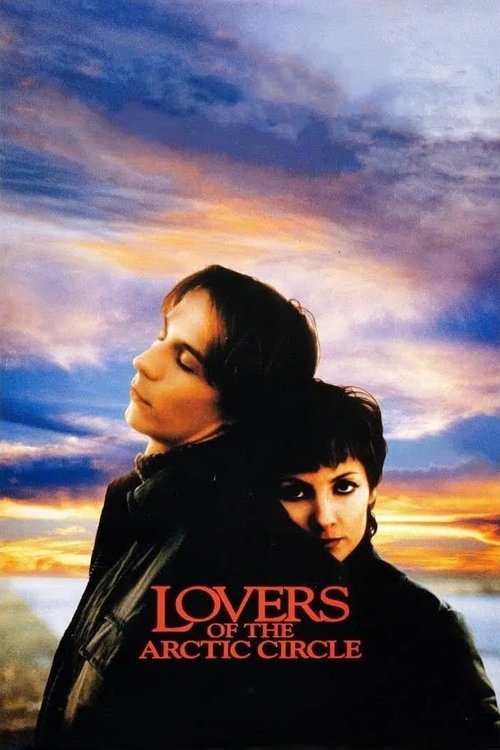
Julio Medem’s work succeeds in subverting standard romantic archetypes through a sophisticated, non-linear structure. By prioritizing metaphysical inquiry and subjective experience, the film moves beyond conventional social scripts and traditional Western norms. The narrative achieves a progressive feel by providing female characters who play a significant role in driving the story and centering the story on destiny rather than societal norms. This approach replaces predictable character formulas with complex, spiritually driven individuals. However, the film remains limited by its specific European setting and a lack of explicit representation for LGBTQ+ identities or disability. It functions more as a study of universal human connection than a diverse social tapestry.
Category Breakdown
The film highlights a deep, soulful bond between Ana and Otto, emphasizing a transcendent intimacy rather than typical romantic clichés. It avoids simplistic courtship stories by focusing on a profound connection.
Ana is the main driver of the mystery and emotional journey. She plays a significant role in the story, challenging traditional hierarchies by emphasizing her emotional intelligence.
Set in Northern Spain, the cast reflects a specific regional identity rather than a multicultural mix. However, the connection to the land provides a universal feeling.
The magical realist framework emphasizes spiritual truth over institutional morality. By focusing on cyclical time, the film downplays the influence of organized religion and social structures.
Characters with disabilities, both visible and invisible, are not central to the plot. Instead, the narrative focuses on the psychological and spiritual resilience of the protagonists.
Present on Screen
Limited or Absent
Official Synopsis
As young children, Otto and Ana become best friends, leading to the marriage of Ana's mother to Otto's father. When Otto and Ana become teenagers, they begin a sexual relationship, which they hide from their parents. The two fall deeply in love and seem destined to spend the rest of their lives together. However, their relationship is tested when Otto's mother dies and the two are separated.
2001

2019

1996
1992

2017

1995
2001
2018
No reviews yet. Be the first to share your thoughts on this movie!
Use the rating form above to leave a star rating and optional review.