A Warning to the Curious
1972
No user ratings available yet
Representation score: 2.3 out of 10
Representation Score
Limited
1977
Director
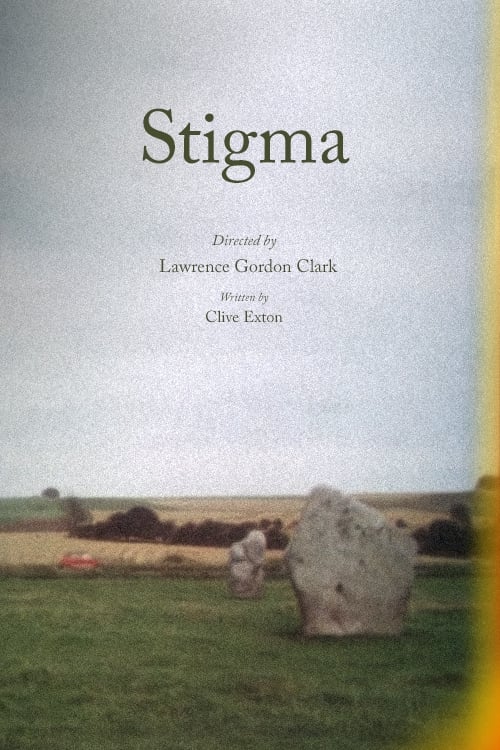
Lawrence Gordon Clark
Runtime
32 minutes
Average Rating
No ratings yetNew Showbiz Analysis
Stigma is a traditional folk horror film that adheres to the social and demographic norms of 1970s British television. The film emphasizes the clash between modern domestic life and ancient supernatural forces over the breakdown of identity-based hierarchies. The production follows the standard casting and storytelling conventions of its era. It lacks the complexity needed to address diverse identities and instead focuses on the disruption of spiritual sites by modern industry.
Category Breakdown
The film focuses on a young couple in a traditional relationship, following a typical straight-centered storyline. It does not include any non-traditional gender identities or critiques of conventional sexual orientations.
The story revolves around a family unit in a remote setting, relying on traditional gender roles and character types. It does not challenge hierarchical structures or provide strong female-driven roles.
The setting is based on British folk traditions from the late 1970s, reflecting the homogeneous demographics of that time. The cast does not include any racial or ethnic diversity.
The plot delves into the conflict between modern progress and ancient, pagan elements. It highlights the tension when workers interfere with a historical stone monument.
The narrative does not feature any characters with visible or invisible disabilities.
Present on Screen
Limited or Absent
Official Synopsis
A young couple move into a remote country house in the middle of a stone circle. They employ workmen who disturb an ancient menhir, unleashing a supernatural force.
1972
1978
1973
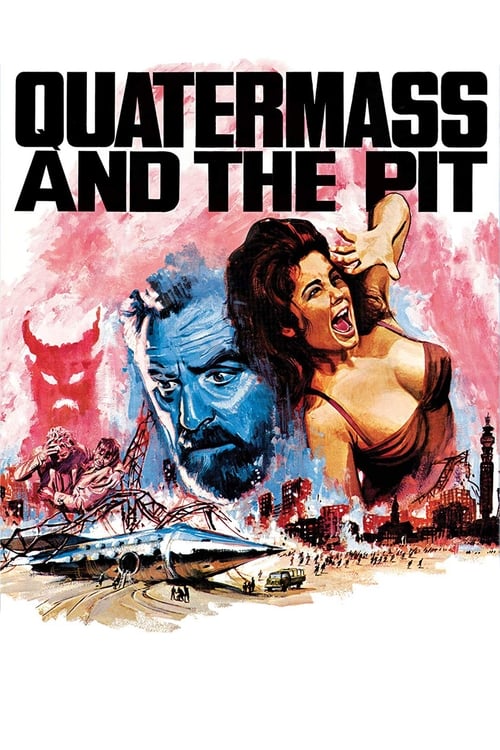
1967
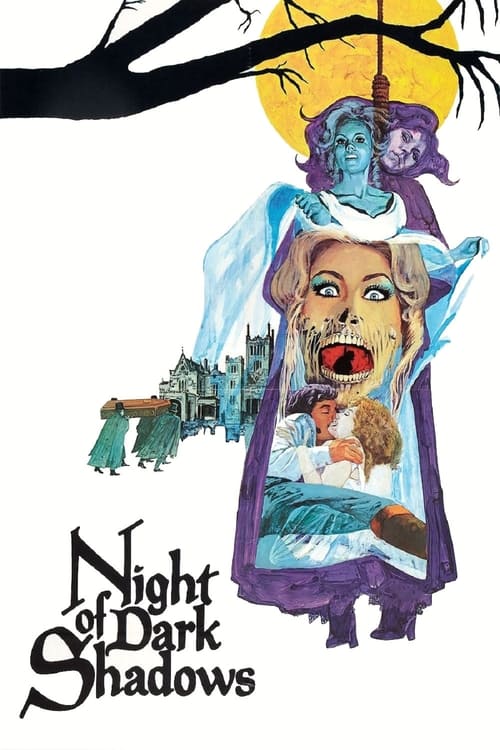
1971

1989
1976
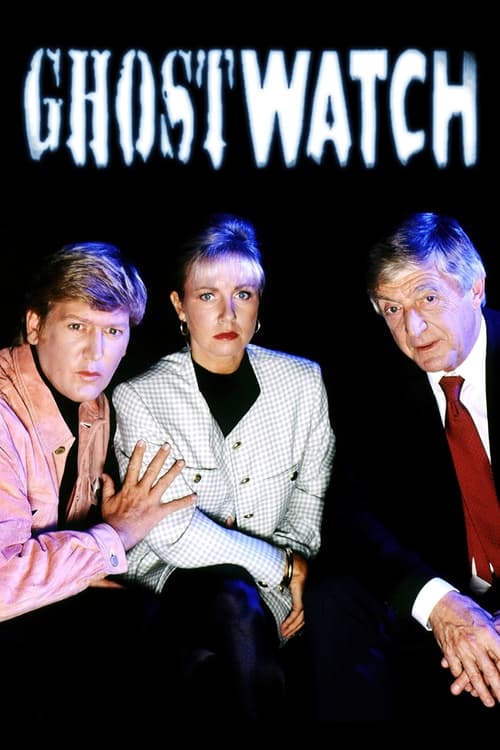
1992
No reviews yet. Be the first to share your thoughts on this movie!
Use the rating form above to leave a star rating and optional review.