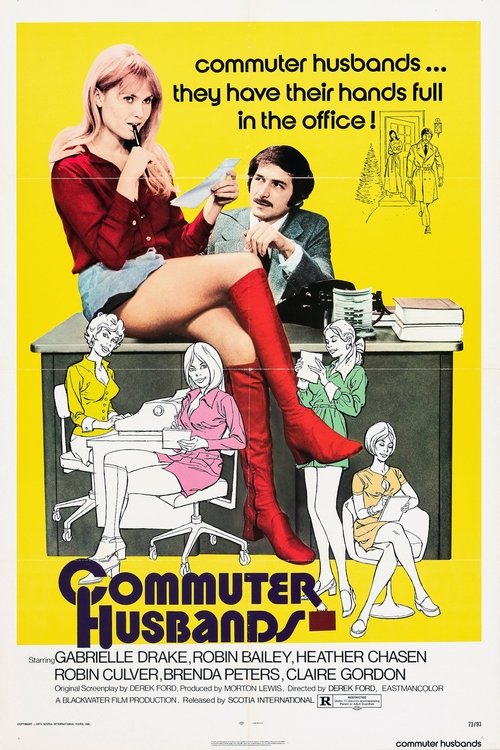
Commuter Husbands
1974
No user ratings available yet
Representation score: 1.9 out of 10
Representation Score
Limited
1970
GPDirector
Daniel Haller
Runtime
97 minutes
Average Rating
No ratings yetNew Showbiz Analysis
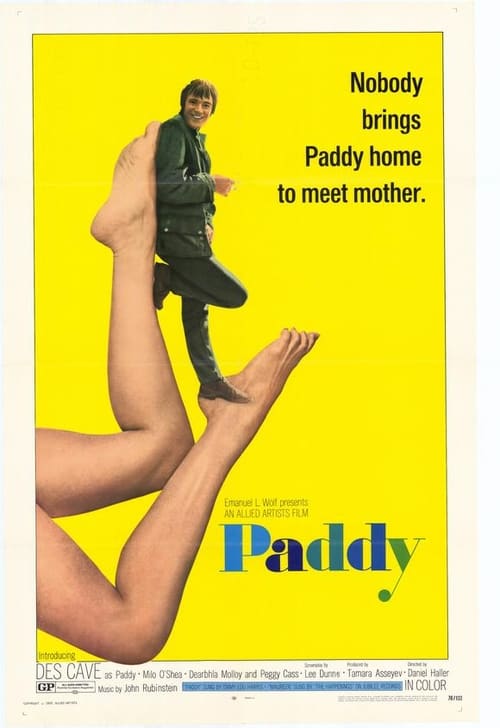
Paddy serves as a transitional work from 1970, reflecting a shift toward more permissive and experimental narrative structures. It moves away from the highly regulated moral frameworks of previous decades by emphasizing individual pursuits over traditional communal values. The film's strength lies in its willingness to question social structures, particularly through its exploration of sexual variety and the deconstruction of the 'ideal' domestic life. It avoids the sanitized versions of family life common in earlier cinema. However, the film lacks multi-layered complexity. The focus remains heavily on a singular ethnic identity and a male-centric perspective, offering limited representation for diverse racial groups or non-straight-centered identities.
Category Breakdown
The film touches on various sexual encounters but does not explicitly include LGBTQ+ characters or same-sex relationships.
The story focuses on a male protagonist dealing with sexual conquests. While this might reinforce traditional masculine stereotypes, his dissatisfaction with domestic life suggests a critique of conventional family structures.
The narrative seems to center on Irish identity with no indication of a multi-ethnic cast or diverse racial perspectives.
The film leans towards secularism and moral relativism, challenging the idealized portrayal of home life and traditional family norms.
There is no mention of characters with visible or invisible disabilities in the film.
Present on Screen
Limited or Absent
Official Synopsis
An Irish lover tries to juggle varied sexual encounters with uninspired home life in ordinary comedy-drama.
1974
1970
1969
2014
1976
1969
1974
1972
No reviews yet. Be the first to share your thoughts on this movie!
Use the rating form above to leave a star rating and optional review.