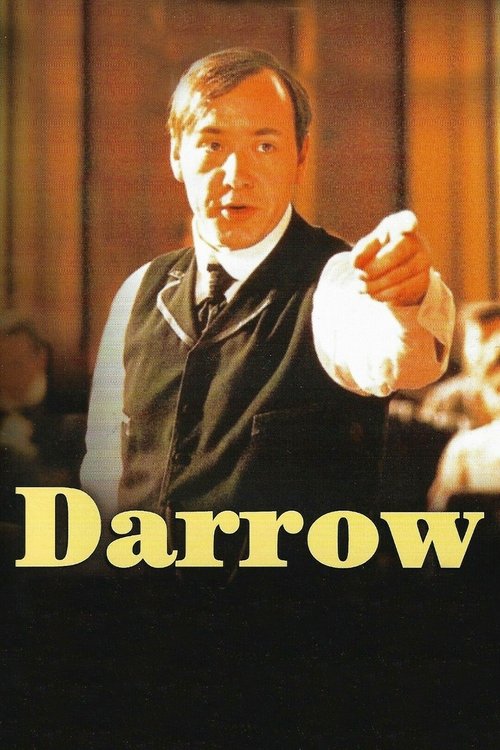
Darrow
1991
No user ratings available yet
Representation score: 6.0 out of 10

Representation Score
Limited
1980
Not RatedDirector
Robert L. Collins
Runtime
104 minutes
Average Rating
No ratings yetNew Showbiz Analysis
Gideon's Trumpet is a powerful work of historical reclamation that centers the African American experience. By focusing on the ability to act of the Black community in the Jim Crow South, the film disrupts traditional cinematic norms and provides a nuanced look at communal resilience. While the film excels in racial and cultural representation, it remains bound by the social hierarchies of its period. The lack of LGBTQ+ representation and the traditional gender roles reflect the historical setting rather than modern progressive storytelling. Ultimately, the film's strength lies in its ability to explore how underrepresented groups navigate and resist systemic oppression through their own institutional structures.
Category Breakdown
The film adheres to the traditional social frameworks of the early 20th-century rural South. There are no depictions of non-straight or non-cisgender identities, nor any narratives critiquing the assumption that everyone is straight or cisgender.
The narrative focuses on male leadership within the ministry and community. Women appear within church and family units but occupy roles consistent with the era's social constraints.
The production centers an almost entirely Black cast and crew. It highlights the ability to act and leadership of the Black community, using the Black church as a pillar of community strength and autonomy.
The film examines how religious institutions function as sites of resistance against an oppressive racial caste system. It portrays the friction between underrepresented communities and dominant legal institutions.
There are no prominent depictions of physical or neurodivergent disabilities that drive the narrative or serve as central character arcs.
Present on Screen
Limited or Absent
Official Synopsis
True story of Clarence Gideon's fight to be appointed counsel at the expense of the state. This landmark case led to the Supreme Court's decision which extended this right to all criminal defendants.
1991

1989
2002

1987

2019
2012
2008
1959
No reviews yet. Be the first to share your thoughts on this movie!
Use the rating form above to leave a star rating and optional review.