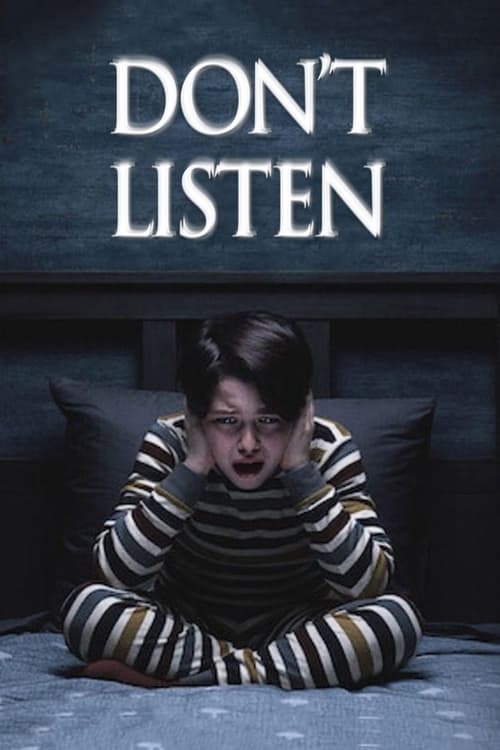
Don't Listen
2020
No user ratings available yet
Representation score: 3.2 out of 10
Representation Score
Excellent
2012
Director
H.P. Mendoza
Runtime
74 minutes
Average Rating
No ratings yetNew Showbiz Analysis
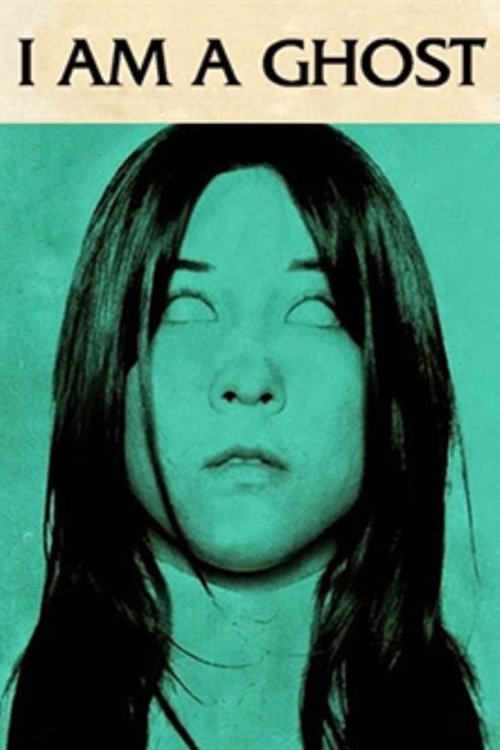
H.P. Mendoza uses the horror genre to challenge traditional clichés, placing underrepresented identities at the forefront through a multi-layered approach. The film shifts away from male-dominated narratives and homogeneous casts, favoring stories built around emotional depth and diverse urban settings. While the film excels in representing LGBTQ+ and gendered perspectives, it remains more symbolic in its portrayal of disability and cultural traditions. It prioritizes psychological complexity and subjective experience over conventional social hierarchies. Ultimately, the work succeeds by using experimental techniques to make identity and trauma central to the viewing experience rather than treating them as secondary elements.
Category Breakdown
The film challenges traditional expectations by emphasizing queer elements throughout its storyline. It focuses on intimacy and connection that go beyond typical binary structures, making queer experiences central to the plot.
A female protagonist drives the story, prioritizing her psychological depth over male-driven action. The focus on the relationship between Emily and Sylvia emphasizes emotional intelligence and vulnerability.
The film features a predominantly non-white cast, reflecting a diverse urban environment. This choice avoids the common practice of casting mostly white actors in horror films.
The narrative emphasizes subjective truths and psychological complexity, moving away from traditional moral absolutes. It explores the blurry lines between reality and the afterlife through a secular or non-specific spiritual perspective.
The protagonist's condition serves as an allegory for mental health and neurodivergence. The film honors her struggles by highlighting the complexity of her fragmented reality.
Present on Screen
Limited or Absent
Official Synopsis
Emily, a troubled spirit, haunts her own house every day, wondering why she can't leave. With the help of Sylvia, a clairvoyant hired to rid the house of spirits, Emily is forced into a 'patient/therapist' relationship, uncovering disturbing mysteries about her past that may help her move on to 'the next place
2020
2012
2012
2009
2010
2015
2017
2003
No reviews yet. Be the first to share your thoughts on this movie!
Use the rating form above to leave a star rating and optional review.