
iParty with Victorious
2011
No user ratings available yet
Diversity score: 3.5 out of 10
2000
GDirector
Steve Purcell
Runtime
60 minutes
Average Rating
No ratings yetSynopsis
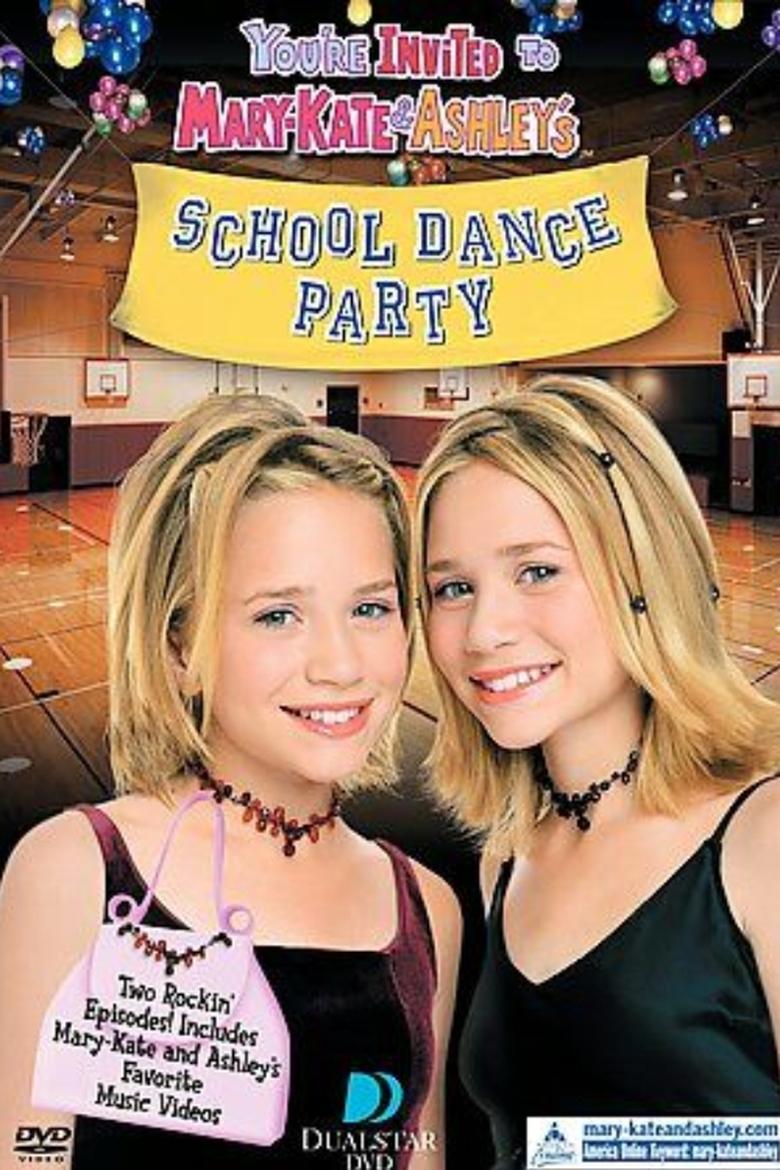
Mary-Kate, Ashley and their friends are all excited about the big school dance. Unfortunately, Mary-Kate doesn't have a date yet, and Ashley is nervous about her decision to run for Queen of the Dance. Join the girls as they put on their best outfits and get ready to party because you're invited to dance the night away with Mary-Kate and Ashley.
Overall Score
Minimal
Category Breakdown
LGBTQ+ Representation
The narrative focuses on finding a date, which implies a heteronormative framework. There is no evidence of non-cisnormative identities or critiques of traditional social scripts.
Gender Representation
While the film centers on female protagonists, the drivers involve social anxiety and status through a 'Queen' title. This aligns with traditional gendered tropes of femininity.
Racial & Ethnic Diversity
The story centers on a specific social circle around established celebrity figures. It likely reflects the homogeneous demographic standards of early-2000s mainstream family programming.
Religious & Cultural Diversity
The film emphasizes Western social institutions like school dances and social etiquette. It promotes standard social norms rather than critiquing traditional structures.
Disability Representation
There is no mention or indication of neurodivergent characters, physical disabilities, or sensory diversities within the narrative.
Strengths
Areas for Improvement
AI Analysis
This production functions as a commercial vehicle for established child stars, prioritizing brand-driven storytelling over social disruption. The narrative architecture centers on conventional adolescent milestones like social competition and romantic acquisition. The film reinforces traditional social hierarchies and standard mid-century social scripts. It offers minimal disruption to established cultural norms, focusing instead on conventional social cohesion and status. Ultimately, the work acts as a traditionalist media artifact. It relies on mainstream tropes that favor homogeneity and standard Western social institutions.
No reviews yet. Be the first to share your thoughts on this movie!
Use the rating form above to leave a star rating and optional review.
