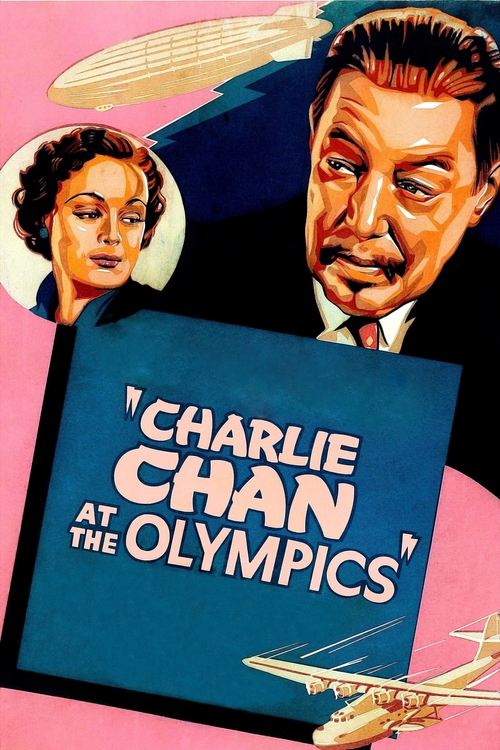
Charlie Chan at the Olympics
1937
No user ratings available yet
Diversity score: 2.6 out of 10
1935
Director
Edwin L. Marin
Runtime
82 minutes
Average Rating
No ratings yetSynopsis
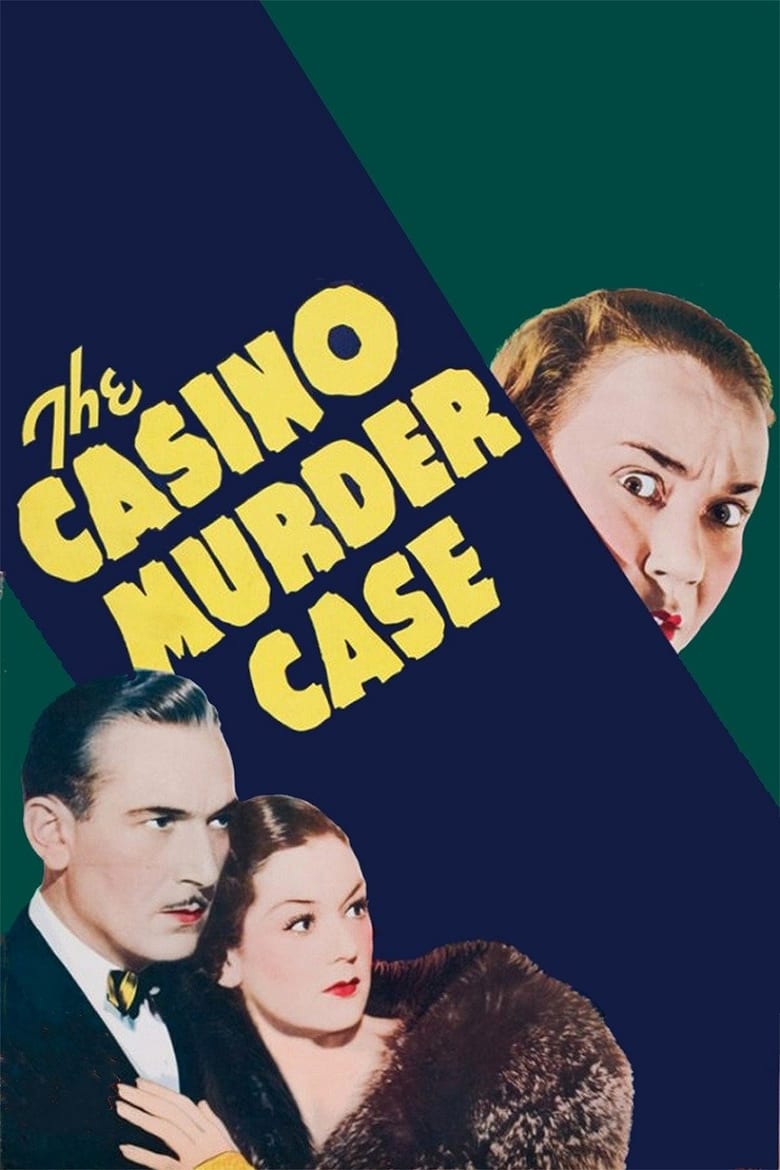
When Philo Vance receives a note that harm will befall Lynn at the casino that night, he takes the threat seriously while the DA dismisses it. At the casino owned by Uncle Kinkaid, Lynn is indeed poisoned under the watchful eye of Philo. However, he recovers, but the same cannot be said for Lynn's wife Virginia, who is at the family home. Only a family member could have poisoned Lynn and Virginia and everyone has their dark motives. Philo will follow the clues and find the perpetrator.
Overall Score
Limited
Category Breakdown
LGBTQ+ Representation
The film adheres to 1930s heteronormative structures. There is no presence of non-cisnormative identities or same-sex intimacy, focusing instead on traditional marital bonds.
Gender Representation
Female characters function within established social expectations of the era. They are primarily defined by their wealth or roles as socialites and suspects within the mystery.
Racial & Ethnic Diversity
The film disrupts era-specific tropes by centering on Charlie Chan. As a Chinese-American detective, he possesses the intellectual agency and authority to solve the central crime.
Religious & Cultural Diversity
The story is embedded in Western capitalist structures and high-end casino settings. It reinforces traditional social orders and standard procedural morality without critiquing Western institutions.
Disability Representation
No visible or invisible disabilities are integrated into the character arcs. All participants in the investigation and social plot are portrayed as able-bodied.
Strengths
Areas for Improvement
AI Analysis
The Casino Murder Case is a product of the 1930s studio system, characterized by conservative social hierarchies. While it lacks diversity in gender, disability, and LGBTQ+ representation, it stands out for its racial casting. By placing an Asian protagonist in a position of systemic authority and intellectual superiority, the film challenges the era's tendency to relegate non-white characters to peripheral roles. This central agency provides a significant progressive outlier within an otherwise traditional framework. Ultimately, the film's diversity is lopsided, offering meaningful ethnic representation while remaining strictly bound by the era's gendered and cultural norms.
No reviews yet. Be the first to share your thoughts on this movie!
Use the rating form above to leave a star rating and optional review.