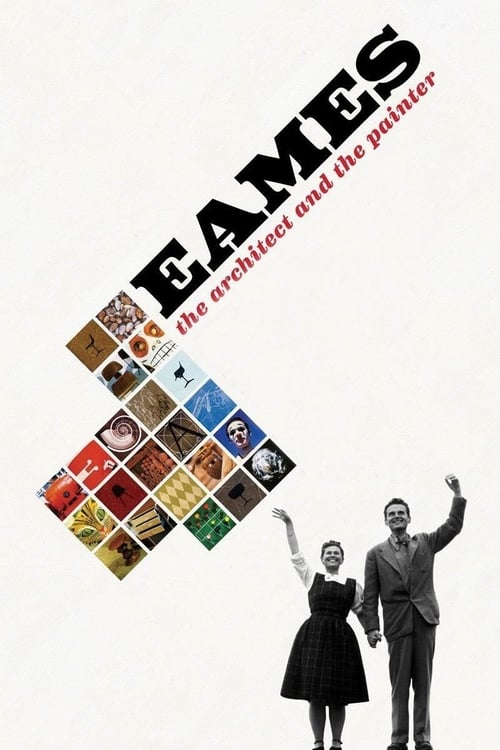
Eames: The Architect and the Painter
2011
No user ratings available yet
Diversity score: 2.3 out of 10
2011
GDirector
Sherry Spradlin
Runtime
64 minutes
Average Rating
No ratings yetSynopsis
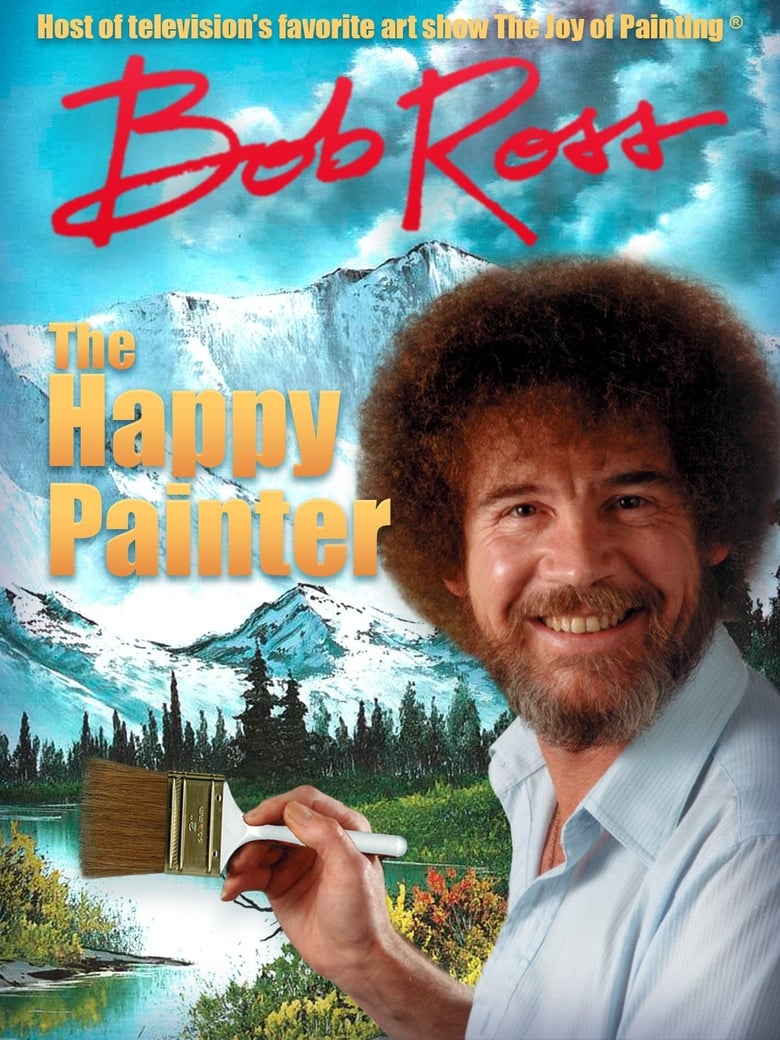
A behind-the-scenes look at the beloved public television personality's journey from humble beginnings to an American pop-culture icon. "The Happy Painter" reveals the public and private sides of Bob Ross through loving accounts from close friends and family, childhood photographs and rare archival footage. Interviewees recount his gentle, mild-mannered demeanor and unwavering dedication to wildlife, and disclose little-known facts about his hair, his fascination with fast cars and more. Film clips feature Bob Ross with mentor William Alexander and the rough-cut of the first "Joy of Painting" episode from 1982. Famous Bob Ross enthusiasts, including talk-show pioneer Phil Donahue, film stars Jane Seymour and Terrence Howard, chef Duff Goldman and country music favorites Brad Paisley and Jerrod Niemann, provide fascinating insights into the man, the artist and his legacy.
Overall Score
Limited
Category Breakdown
LGBTQ+ Representation
The film functions as a biographical tribute to Bob Ross. It contains no LGBTQ+ characters or narratives addressing queer themes.
Gender Representation
The narrative focuses on a traditional masculine archetype. While women like Jane Seymour appear as interviewees, the central agency remains anchored in Ross.
Racial & Ethnic Diversity
A diverse array of interviewees, including Terrence Howard, provides a multi-ethnic perspective. However, the core aesthetic remains predominantly Western.
Religious & Cultural Diversity
The documentary emphasizes traditional Western values and individual craftsmanship. It promotes nostalgia and the preservation of a wholesome public image.
Disability Representation
There is no mention of subjects navigating visible or invisible disabilities. The focus remains on artistic temperament and biographical milestones.
Strengths
Areas for Improvement
AI Analysis
This documentary serves as a celebratory retrospective of Bob Ross's life and legacy. It prioritizes personal history and the preservation of a specific cultural icon over social deconstruction. While the film includes a diverse roster of celebrity commentators to discuss Ross's impact, the narrative structure remains conventional. It reinforces traditional archetypes rather than subverting social hierarchies. Ultimately, the work functions as a nostalgic portrait. It lacks engagement with intersectional themes or progressive social commentary, focusing instead on the subject's established public persona.
2011

2017

2000
2021
2015

1987

2014

2017
2011
2021
2008
2001
No reviews yet. Be the first to share your thoughts on this movie!
Use the rating form above to leave a star rating and optional review.