Find another title
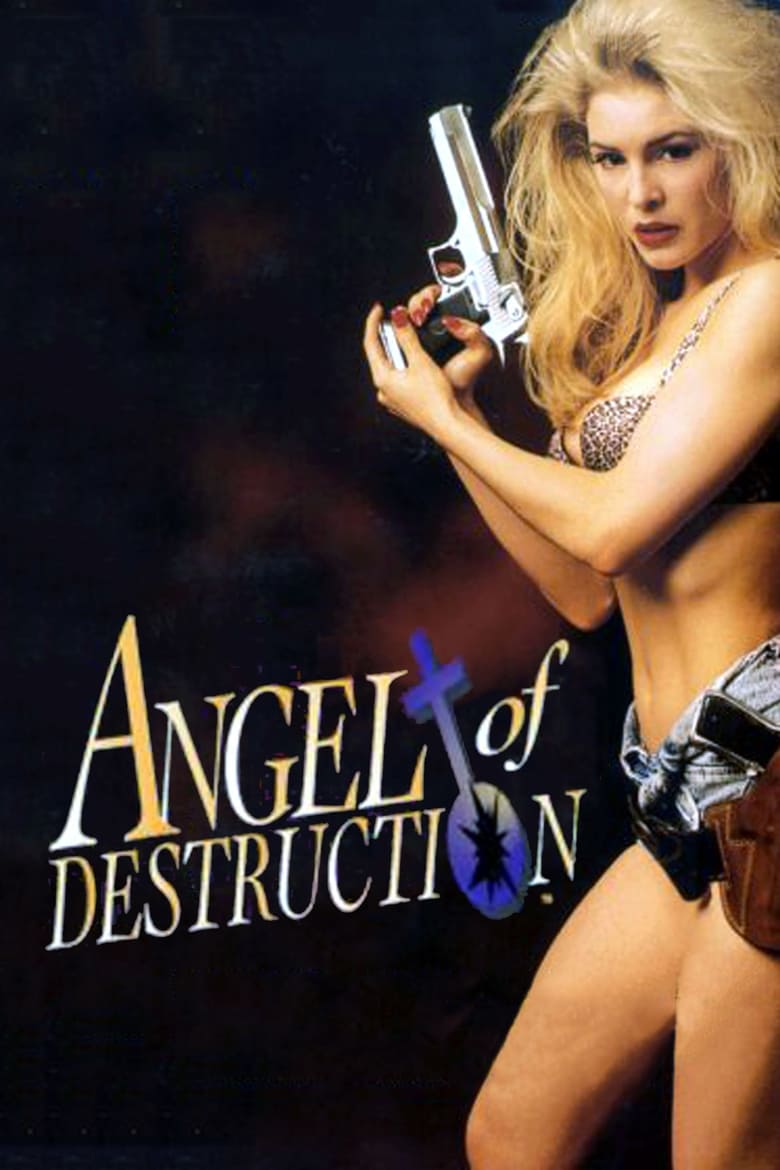
Angel of Destruction
1994
RDirector
Charles Philip Moore
Runtime
86 minutes
Average Rating
No ratings yetSynopsis
Undercover cop Jo Alwood is out to avenge her sisters death at the hands of a serial killer.
Where to Watch
Diversity & Representation
Overall Score
Fair
Category Breakdown
LGBTQ+ Representation
The film features a non-traditional domestic unit through the relationship between Delilah and her lover, Reena. This female-centric partnership disrupts the heteronormative expectations common in 1990s action cinema. However, the queer identity remains secondary to the plot's momentum.
Gender Representation
The narrative disrupts traditional hierarchies by centering on female agency and physical dominance. Brit Alwood is a capable martial arts expert, subverting the damsel in distress trope. Women serve as the primary drivers of the plot.
Racial & Ethnic Diversity
The film lacks significant racial diversity within its central character arcs. The narrative focus remains on localized conflicts without evidence of a non-white majority cast. Representation stays within traditional cinematic frameworks of the era.
Religious & Cultural Diversity
The story engages with counter-cultural lifestyles, specifically through glam-metal and S&M club settings. It also critiques Western institutions by framing law enforcement as a source of systemic violation through Delilah's personal trauma.
Disability Representation
There is no explicit evidence of characters navigating visible or invisible disabilities with agency. The narrative focuses on the psychological fallout of violence rather than disability as a lived identity.
Strengths
- Subverts gender hierarchies by centering on female agency and physical dominance.
- Features a female-centric romantic partnership that disrupts heteronormative tropes.
- Challenges institutional authority through complex character backstories.
Areas for Improvement
- Lacks significant racial diversity within the central character arcs.
- Provides no explicit representation of characters navigating disabilities.
- Social commentary remains secondary to the visceral action elements.
AI Analysis
Angel of Destruction stands out for its subversion of gendered power dynamics. By positioning women as martial arts experts and central protagonists, the film avoids the patriarchal leadership typical of mid-90s action cinema. While the film explores non-traditional interpersonal dynamics and institutional distrust, it lacks breadth in other areas. The racial and disability representation is minimal, keeping the social commentary secondary to the action. Ultimately, the film functions as a transitional genre piece. It prioritizes female autonomy and counter-cultural settings over the more conservative tropes of its era.
Rate this Movie
Reviews
No reviews yet. Be the first to share your thoughts on this movie!
Use the rating form above to leave a star rating and optional review.