
The Rusted
2015
No user ratings available yet
Representation score: 7.3 out of 10
Representation Score
Fair
2014
Director
Marco Dutra
Runtime
108 minutes
Average Rating
No ratings yetNew Showbiz Analysis
Marco Dutra’s work focuses on the psychological breakdown of individuals rather than societal stability. By highlighting the collapse of marriage, employment, and paternal legacy, the film avoids the typical heroism found in the thriller genre. The narrative succeeds in questioning the traditional domestic space, treating the home as a site of tension rather than comfort. This approach allows for a more nuanced exploration of identity and history. However, the film lacks explicit representation of specific identities, such as disability or clearly defined LGBTQ+ roles. It relies more on atmospheric subversion than overt character-driven diversity.
Category Breakdown
The film examines the breakdown of traditional family structures without confirming specific LGBTQ+ identities. The narrative's focus on displacement hints at a move away from the assumption that everyone is straight or cisgender.
The story challenges traditional masculine stereotypes by focusing on a male protagonist who experiences failure and vulnerability. Júnior's loss of job and marriage disrupts the usual depiction of a stable patriarch.
Set within a specific Brazilian context, the film moves away from homogenized Western perspectives. The focus on localized family histories provides a distinct regional lens.
The narrative questions the sanctity of the home by framing the family unit as an oppressive environment. It examines inherited legacies and the deconstruction of traditional domestic ideals.
The film explores intense psychological states and obsession but does not provide specific portrayals of individuals with physical or neurodivergent disabilities as central narrative drivers.
Present on Screen
Limited or Absent
Official Synopsis
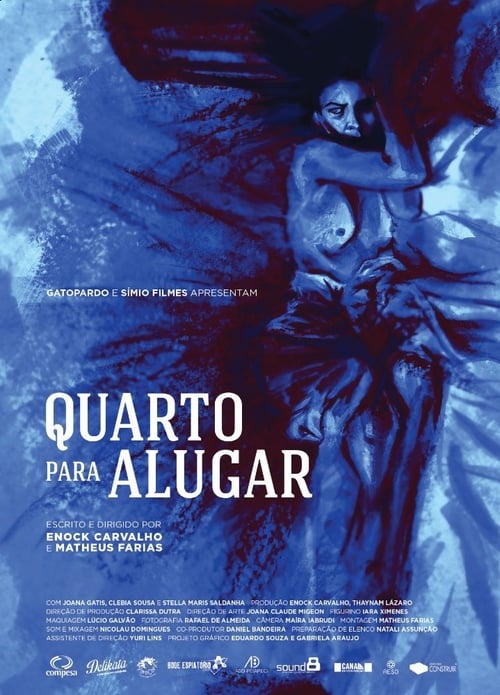
After losing his job and the end of his marriage, Júnior returns to his father's house. But that is not his childhood house anymore. His old room has been rented by a young woman and the place feels unwelcome and oppressive. Júnior develops and obsession for his family history, as strange things start happening in the house.
2015
2011
2021
2020
2016
2002

2016
2012
No reviews yet. Be the first to share your thoughts on this movie!
Use the rating form above to leave a star rating and optional review.