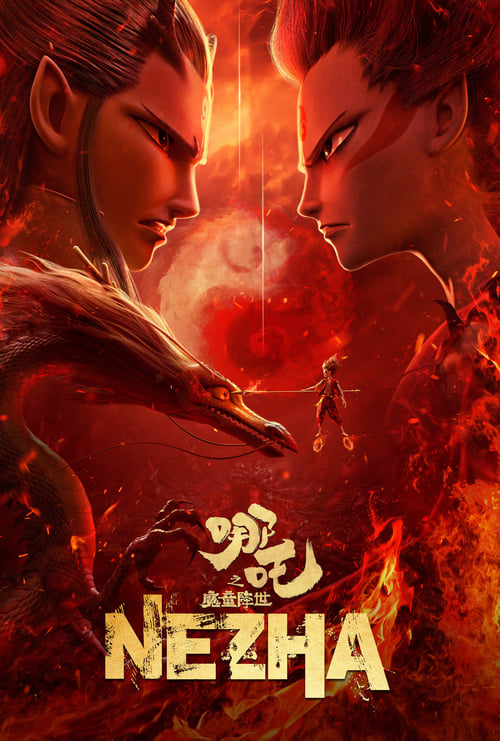
Ne Zha
2019
No user ratings available yet
Representation score: 7.4 out of 10
Representation Score
Excellent
2022
PGDirector
Jianming Huang
Runtime
99 minutes
Average Rating
No ratings yetNew Showbiz Analysis
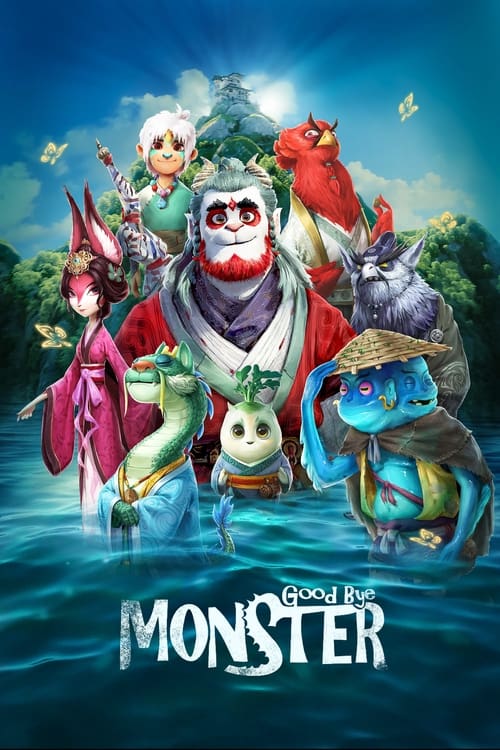
Goodbye Monster stands out for its deep commitment to non-Western mythological frameworks. By grounding the story in the Shan Hai Jing, the film breaks away from Eurocentric fantasy clichés and creates a rich, culturally specific setting. The narrative shifts focus from physical conquest to healing and redemption, allowing for a more nuanced exploration of character and morality. However, the film's representation of specific identities remains limited. While the cultural foundation is strong, there is little evidence regarding LGBTQ+ identities or the ability to act of characters facing disability.
Category Breakdown
The film does not explicitly depict LGBTQ+ identities or dynamics that go beyond the assumption that everyone is straight. While mythological settings can include non-traditional relationships, none are specifically highlighted in this film.
By focusing on a healer instead of a warrior, the film challenges traditional masculine roles. It emphasizes the importance of medicinal knowledge and emotional growth over physical strength.
The film uses the Shan Hai Jing as its narrative foundation, offering a rich East Asian mythological world. This centers non-Western perspectives and highlights their unique cultural contributions.
The story focuses on the relationship between humans and the supernatural, rather than Western religious institutions. It explores redemption through healing rather than adherence to religious doctrine or legal systems.
The plot revolves around a terminal illness and the specialized knowledge of a healer. This highlights the complexities of chronic medical conditions and the importance of specialized medical care.
Present on Screen
Limited or Absent
Official Synopsis
In order to cure Hei Ling, a terminal illness, the Kunlun healer, Bai Ze, was banished after accidentally destroying an island. Seven years later, he returns to the island to seek redemption.
2019

2015
2018

2019
2021
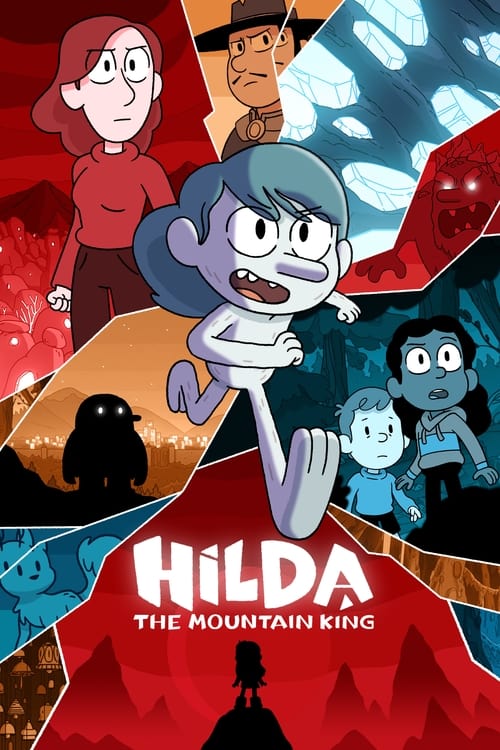
2021
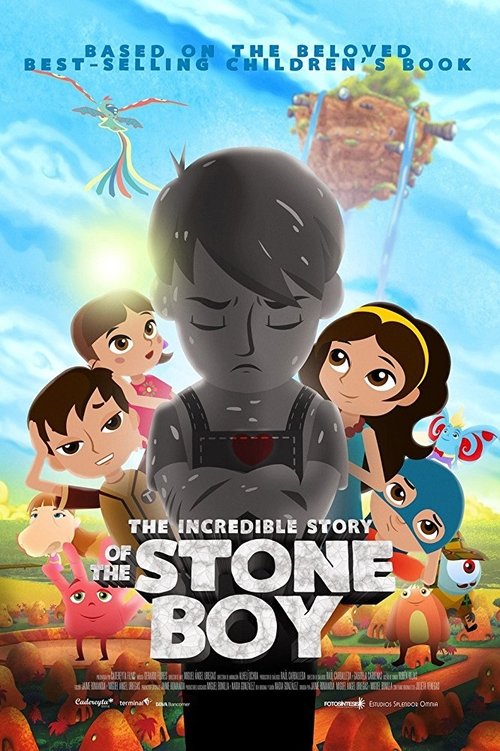
2015
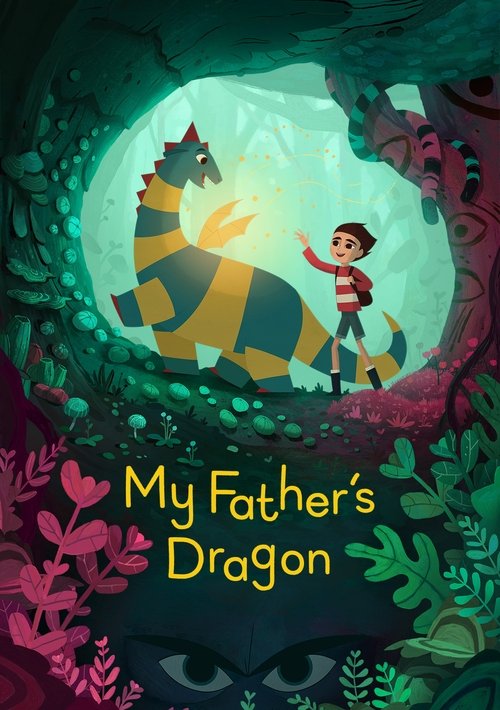
2022
No reviews yet. Be the first to share your thoughts on this movie!
Use the rating form above to leave a star rating and optional review.