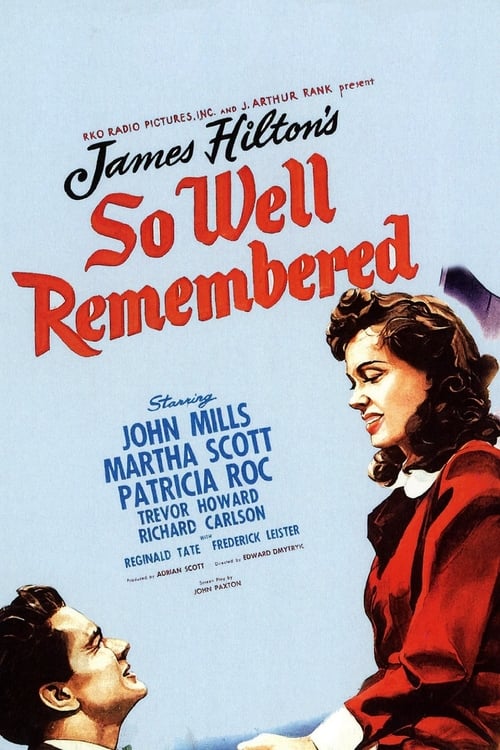
So Well Remembered
1947
No user ratings available yet
Diversity score: 2.7 out of 10

1932
PassedDirector
Emory Johnson
Runtime
70 minutes
Average Rating
No ratings yetSynopsis
Railroad foes cause terror on the tracks with the illusion of a ghost train.
Overall Score
Minimal
Category Breakdown
LGBTQ+ Representation
The film contains no discernible evidence of non-cisnormative gender identities or same-sex narratives. It focuses on traditional romantic and criminal tropes without addressing queer identities.
Gender Representation
The narrative follows traditional gender roles typical of 1930s melodramas. Women appear primarily as romantic interests or secondary figures within the central crime and action plot.
Racial & Ethnic Diversity
The film lacks evidence of a non-white or diverse cast. It reflects the homogeneous casting standards of the era, focusing on a predominantly white cast.
Religious & Cultural Diversity
The story functions as a standard crime piece emphasizing order. It operates within established social and legal frameworks without presenting anti-capitalist or anti-Western critiques.
Disability Representation
There is no documented evidence of characters with visible or invisible disabilities being integrated into the narrative. Disability is not used as a central thematic element.
Strengths
Areas for Improvement
AI Analysis
The Phantom Express is a period-typical crime drama that prioritizes genre-specific thrills, such as train robberies and chases, over social commentary. The narrative architecture is built upon the traditional hierarchies and conventional social norms of the 1930s. While the film does not actively promote harmful stereotypes, it lacks the intentionality required to disrupt traditional tropes. It serves as a baseline example of early studio-era storytelling, characterized by a lack of intersectional complexity.
1947
1934
1931
1932
1931
No reviews yet. Be the first to share your thoughts on this movie!
Use the rating form above to leave a star rating and optional review.