
Irish Jam
2006
No user ratings available yet
Diversity score: 5.2 out of 10
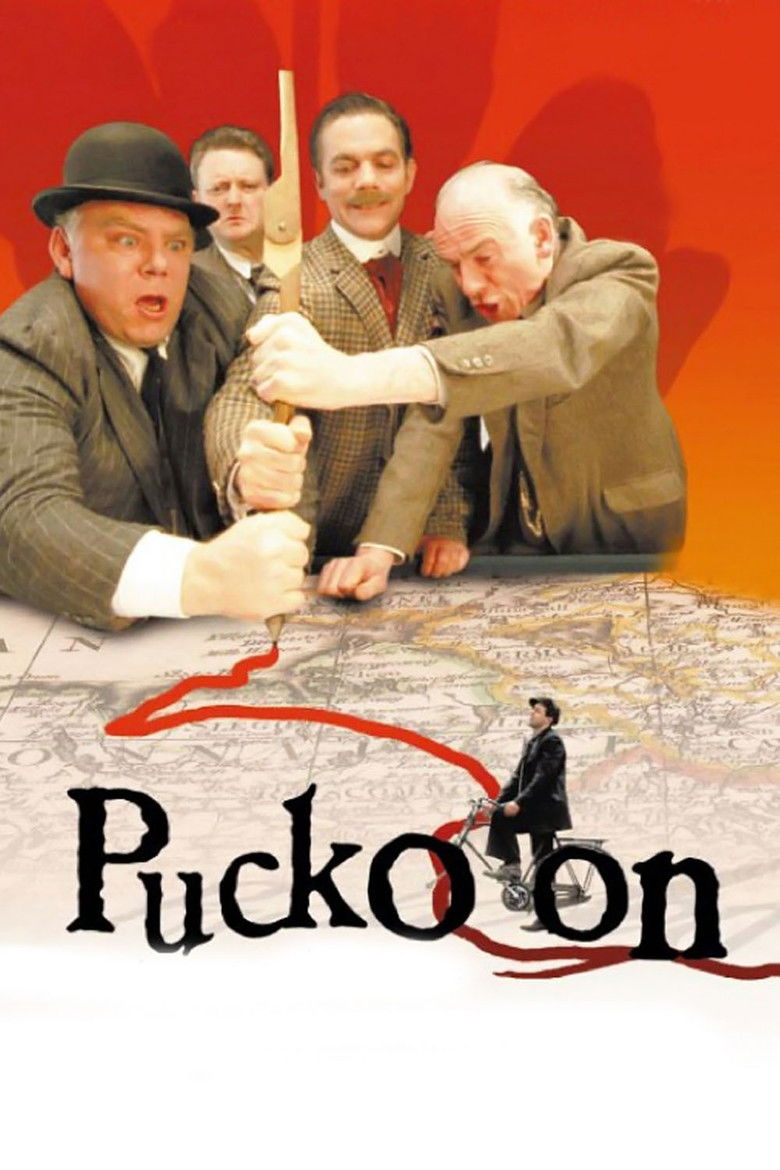
2002
Director
Terence Ryan
Runtime
82 minutes
Average Rating
No ratings yetSynopsis
Spike Milligan's book about the divided Irish village of Puckoon comes to the big screen.
Overall Score
Fair
Category Breakdown
LGBTQ+ Representation
The film lacks explicit LGBTQ+ characters or narratives. It operates within a traditional comedic framework that prioritizes conventional social structures.
Gender Representation
The narrative adheres to standard comedic tropes without elevating female agency. There is no evidence of women subverting traditional domestic hierarchies or masculine authority.
Racial & Ethnic Diversity
The cast is predominantly Irish, reflecting the film's specific geographic setting. While it explores local identity, it does not actively seek to diversify the Anglo-Celtic lens.
Religious & Cultural Diversity
The story focuses on local community divisions rather than systemic critiques. It lacks a broader deconstruction of Western institutions like religion or capitalism.
Disability Representation
There is no discernible evidence regarding the inclusion or portrayal of characters with physical or neurodivergent disabilities.
Strengths
Areas for Improvement
AI Analysis
Puckoon functions as a localized, traditional comedy rooted in a specific Irish village setting. While it provides a sense of cultural identity, it remains within established social frameworks rather than challenging them. The film lacks intersectional complexity, offering little representation for LGBTQ+ identities or significant female agency. It relies on mid-century comedic archetypes that do not disrupt traditional hierarchies. Ultimately, the work is a period-specific exploration of community. It prioritizes localized storytelling over progressive narrative subversion or the inclusion of diverse ethnic or disabled perspectives.
2006
2000
2018

1997

1973
2022

1999

2000
2019
2004
2014
2014
No reviews yet. Be the first to share your thoughts on this movie!
Use the rating form above to leave a star rating and optional review.