Luangwa's Baboon Kingdom
2023
No user ratings available yet
Representation score: 0.0 out of 10
Representation Score
Minimal
2019
TV-GDirector
Boris von Schoenebeck
Average Rating
No ratings yetNew Showbiz Analysis
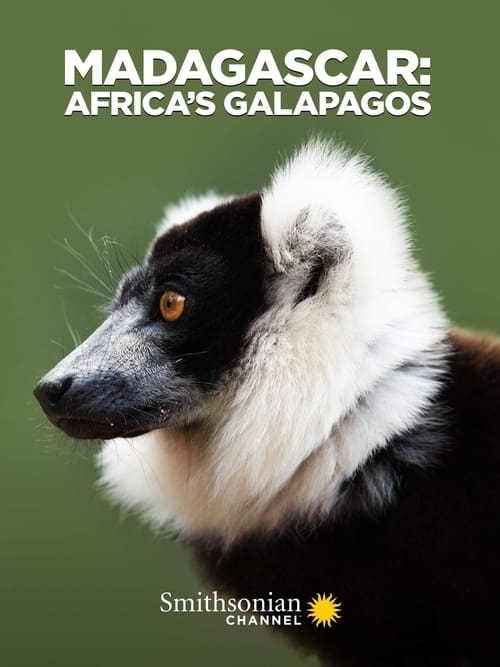
Madagascar: Africa's Galapagos is a specialized ecological study focused on the island's endemic fauna. The narrative structure revolves around biological observation, particularly highlighting rare creatures like the fossa and the aye-aye. Since the subjects are non-human biological entities, the film operates outside the framework of human-centric identity politics. It does not engage with social hierarchies, gender roles, or interpersonal dynamics. Ultimately, the documentary serves a scientific and observational purpose. It remains neutral regarding social value systems, as it lacks the human characters necessary to address diverse representation.
Category Breakdown
The film focuses solely on wildlife and ecological processes. There are no human characters or explorations of gender identity present.
The narrative centers on non-human species. It lacks any depiction of human gender hierarchies or interpersonal social roles.
The documentary prioritizes the observation of rare fauna. There is no information regarding human casts or the portrayal of ethnic groups.
The film prioritizes biological and natural history. It offers no evidence of sociological commentary or the deconstruction of cultural institutions.
The subject matter is limited to animal biology. There is no portrayal of human neurodivergence or physical disabilities.
Present on Screen
Limited or Absent
Official Synopsis
This film reveals some of Madagascar's secretive and rarely filmed inhabitants, from the apex predator, the fossa, to the aye aye – possibly the weirdest creature on earth.
2023
2021
2018
2012
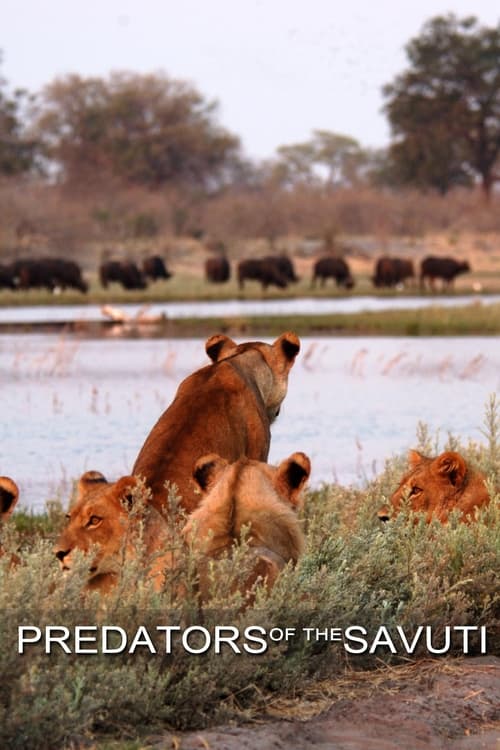
2023
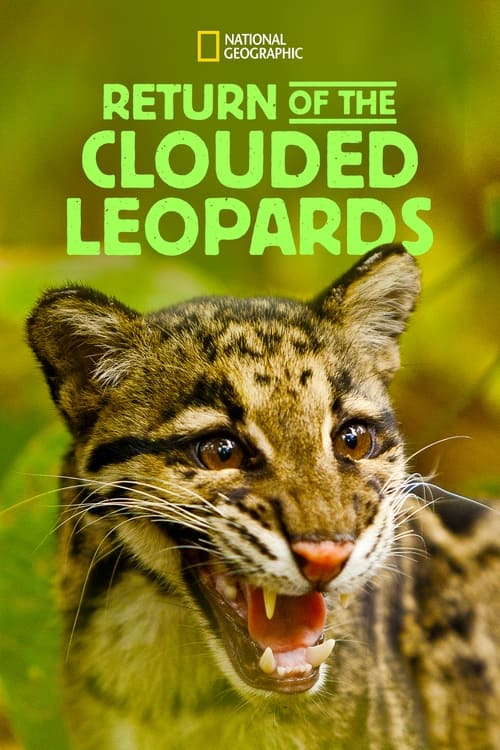
2012
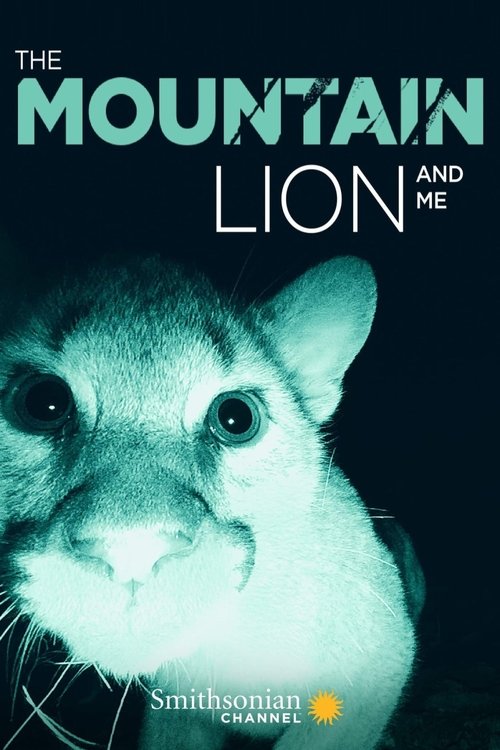
2018
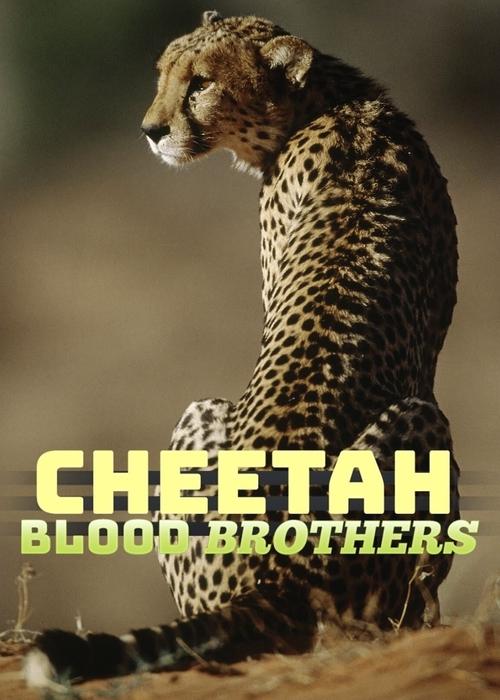
2007
No reviews yet. Be the first to share your thoughts on this movie!
Use the rating form above to leave a star rating and optional review.