J. R. R. Tolkien's The Hobbit
1967
No user ratings available yet
Representation score: 0.6 out of 10
Representation Score
Fair
1985
Director
Vladimir Latyshev
Runtime
71 minutes
Average Rating
No ratings yetNew Showbiz Analysis
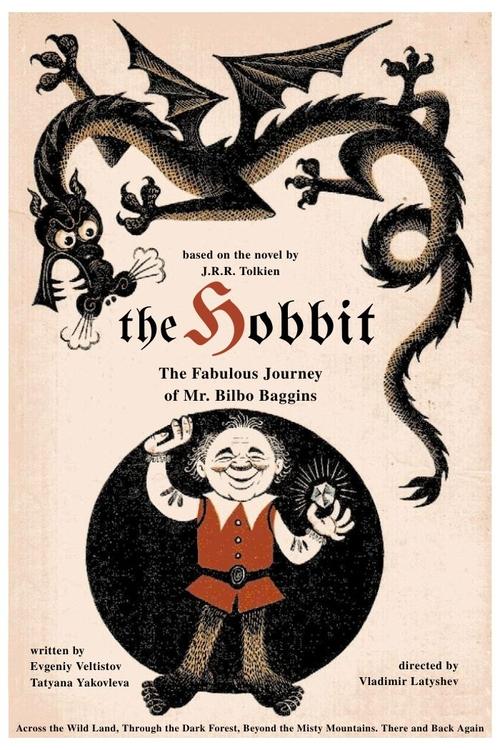
This Soviet-era adaptation offers a unique take on Tolkien's work by emphasizing communal struggle over Western individualist clichés. The production uses fantasy species to symbolize diverse social groups, adding a layer of speculative representation. However, the film remains limited by the social norms of its time, particularly regarding gender and sexuality. The primary traveling party is predominantly male, and there is no visible queer identity within the narrative. Overall, the film successfully challenges capitalist and aristocratic hierarchies through its cultural lens, even while maintaining traditional gendered leadership structures.
Category Breakdown
The film does not include any explicit LGBTQ+ characters or relationships that challenge traditional heterosexual norms. The narrative centers on the fellowship and the quest, reflecting the constraints of 1985 Soviet television.
The story focuses on a male-dominated group of dwarves and Gandalf. While Bilbo Baggins provides a nuanced protagonist, the overall cast reinforces traditional masculine leadership roles.
The film uses non-human species like elves and dwarves to explore otherness, serving as metaphors for diverse ethnic or social groups within the speculative setting.
This Soviet adaptation shifts the focus from Western individualist heroism to collective struggle. It presents the pursuit of treasure through a lens of skepticism toward established power structures.
The film does not feature any prominent characters whose stories are defined by visible or invisible disabilities. There are no instances where disability is used as a plot device.
Present on Screen
Limited or Absent
Official Synopsis
Author J. R. R. Tolkien (Zinovij Gerdt) tells the story of Bilbo Baggins, a quiet and enjoyable hobbit, whose life is turned upside down when he decides to join the wizard Gandalf and a company of thirteen dwarves in an attempt to regain a treasure stolen from the latter. Soviet television movie adaptation of "The Hobbit".
1967
1977
2001
1963
2003

1978
1994

2009
No reviews yet. Be the first to share your thoughts on this movie!
Use the rating form above to leave a star rating and optional review.