
Jacob's Paradox
2015
No user ratings available yet
Representation score: 4.0 out of 10
Representation Score
Fair
2018
Director
Tonnie Dinjens
Runtime
79 minutes
Average Rating
No ratings yetNew Showbiz Analysis
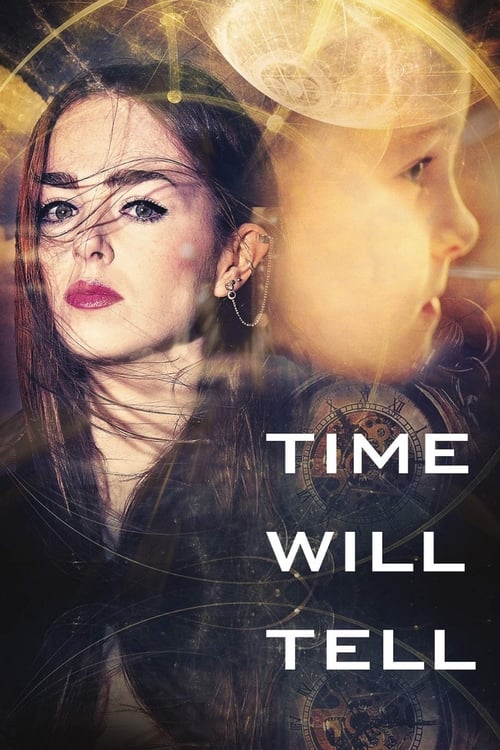
Time Will Tell functions primarily as a character study centered on a female protagonist navigating a unique physiological vulnerability. The narrative's strength lies in its potential to explore neurodivergence or mental health through Kim Temple's struggle with stress-induced loss of consciousness. However, the film's diversity profile is narrow. While it provides a platform for disability representation, it lacks clear data regarding racial, ethnic, or LGBTQ+ inclusion. This creates a portrait of a film that is deeply focused on individual psychological experience rather than broader multi-layered dynamics.
Category Breakdown
The film does not include any explicit references to LGBTQ+ identities or relationships that go beyond the assumption that everyone is straight or cisgender. There is no visible queer subtext or character identities that challenge these norms.
The story centers on a female protagonist named Kim Temple, whose struggle with losing consciousness explores her ability to drive the story. Her rebellious nature challenges traditional, submissive feminine archetypes.
There is insufficient information regarding the racial composition of the cast or the ethnic backgrounds of the characters to provide a score.
The narrative focuses on a rebellious teenager facing a physiological affliction. This suggests a potential critique of modern societal structures and individual struggle.
The film offers meaningful representation of invisible disabilities. By centering the plot on a stress-induced affliction, the disability becomes integral to the protagonist's identity.
Present on Screen
Limited or Absent
Official Synopsis
Rebellious teenager Kim Temple (Louisa Connolly-Burnham) has a strange affliction that makes her feel very insecure: stressful situations cause her to lose consciousness.
2015

2016

2022

2019
2012

2017

2004

2011
No reviews yet. Be the first to share your thoughts on this movie!
Use the rating form above to leave a star rating and optional review.