
Under the Amalfi Sun
2022
No user ratings available yet
Representation score: 3.6 out of 10
Representation Score
Limited
1983
Director
Carlo Vanzina
Runtime
94 minutes
Average Rating
No ratings yetNew Showbiz Analysis
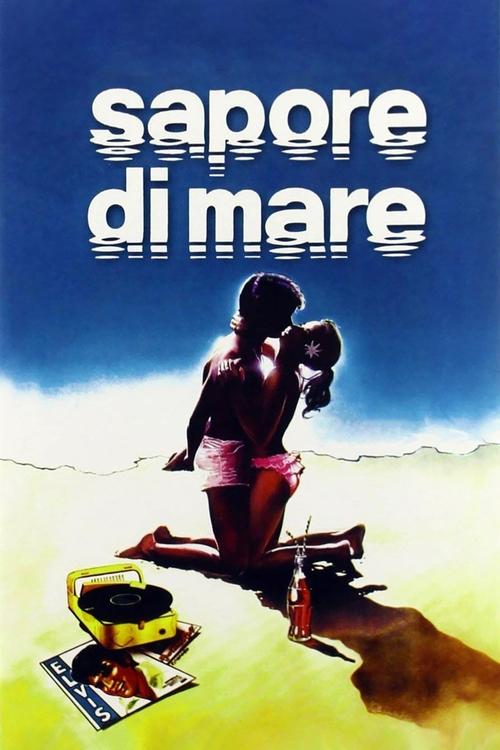
Taste of the Sea is a product of its 1980s Italian context, emphasizing escapism and regional stereotypes. It captures the social structures of the time without attempting to challenge them. The film reinforces existing hierarchies through its adherence to traditional romance and middle-class stability. It lacks depth in addressing multiple aspects of diversity, focusing instead on local traditions and conventional social norms.
Category Breakdown
The film follows the straight-centered social standards of 1983. It centers on traditional romance without exploring non-traditional gender identities.
Women play key roles in the romantic plotlines but follow traditional gender roles. The story uses classic Mediterranean themes without challenging gender norms.
The depiction of Italian coastal life is mostly uniform. The cast reflects the typical Anglo-European/Mediterranean mix of the 1980s Italian cinema.
The story upholds middle-class summer leisure traditions and emphasizes the importance of the family unit. It reinforces traditional Western values.
The narrative focuses on the romantic adventures of able-bodied characters. It does not address characters with visible or invisible disabilities.
Present on Screen
Limited or Absent
Official Synopsis
A comedy about the adventures of several families during their sea vacations.
2022
1958
2014

1983

1983
1995

1958
1984
No reviews yet. Be the first to share your thoughts on this movie!
Use the rating form above to leave a star rating and optional review.