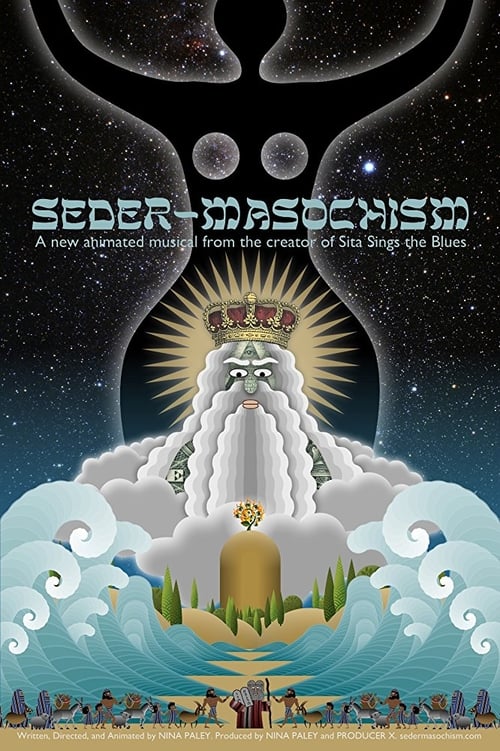
Seder-Masochism
2018
No user ratings available yet
Representation score: 6.5 out of 10
Representation Score
Good
2008
Not RatedDirector
Nina Paley
Runtime
82 minutes
Average Rating
No ratings yetNew Showbiz Analysis
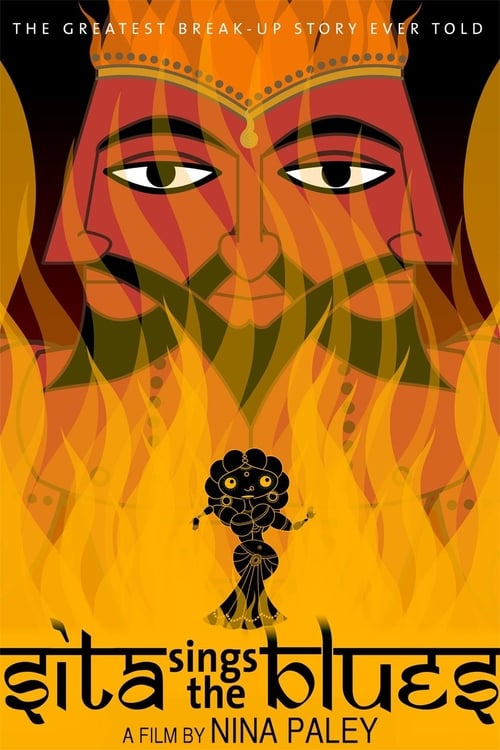
Sita Sings the Blues is a sophisticated deconstruction of ancient myths and modern power structures. It uses the Ramayana to critique patriarchal and religious hierarchies, prioritizing individual ability to act over traditional social structures. The film's strength lies in its layered narrative structure, which challenges traditional hero archetypes and offers a nuanced view of morality. While it lacks explicit LGBTQ+ identity markers, its subversion of traditional storytelling and its engagement with cultural and gender critiques make it a highly nuanced work.
Category Breakdown
The film doesn't include explicit same-sex relationships or non-cisgender identities. However, it challenges traditional assumptions about sexuality and relationships, suggesting a more inclusive approach to storytelling.
The movie challenges traditional gender roles by criticizing patriarchal constraints. It presents a nuanced view of female empowerment and resilience against systemic injustices.
The film honors Indian culture and traditions by using Indian shadow puppetry and diverse animation styles. It avoids whitewashing by focusing on the Indian mythological experience through respectful character designs.
The film critically examines traditional religious institutions and codes. It questions religious authority by depicting Rama’s adherence to dharma as a tool of oppression.
The film explores mental and emotional distress through the protagonist's struggles. However, it does not use specific physical or neurodivergent disabilities as central plot devices.
Present on Screen
Limited or Absent
Official Synopsis
Utilizing the 1920s jazz vocals of Annette Hanshaw, the epic Indian tale of exiled prince Ramayana and his bride Sita is mirrored by a spurned woman's contemporary personal life, and light-hearted but knowledgeable discussion of historical background by a trio of Indian shadow puppets.
2018
1926
1954
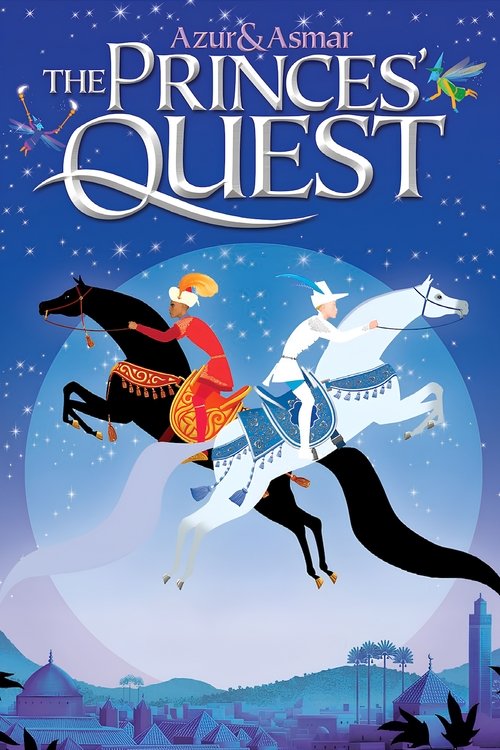
2006

2012
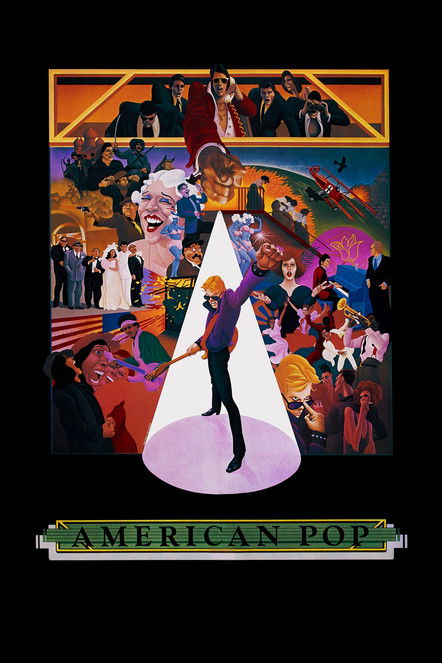
1981
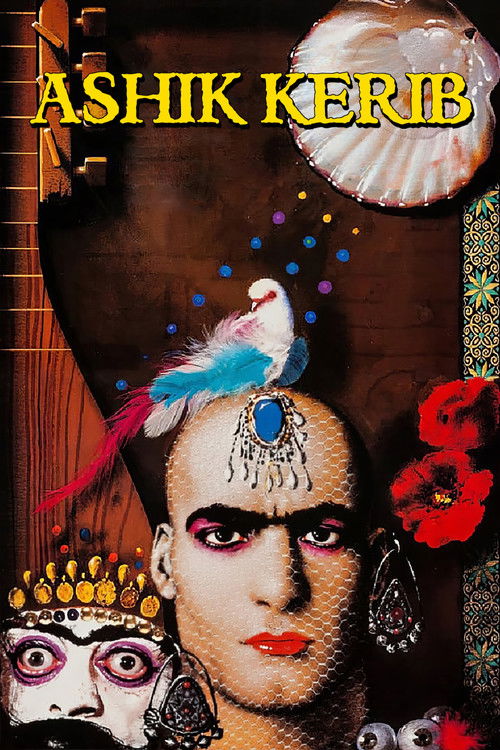
1988
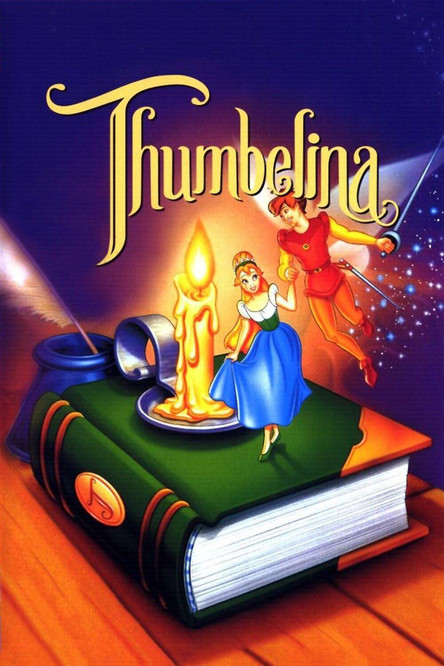
1994
No reviews yet. Be the first to share your thoughts on this movie!
Use the rating form above to leave a star rating and optional review.