Into the Okavango
2018
No user ratings available yet
Representation score: 3.4 out of 10
Representation Score
Limited
2014
PGDirector
Jeanmarie Condon, Ann Johnson Prum
Runtime
60 minutes
Average Rating
No ratings yetNew Showbiz Analysis
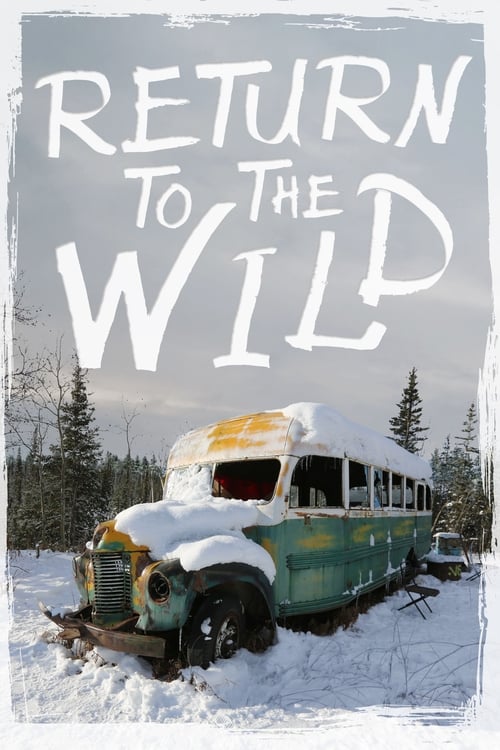
The documentary primarily serves as a biographical account of Chris McCandless's journey and his rebellion against societal norms. It follows a traditional narrative focused on the life and death of McCandless in the Alaskan wilderness. While the film touches on cultural themes such as the rejection of socioeconomic norms and institutional ties, it does not intentionally represent diverse identities or perspectives. The narrative remains centered on a specific, homogeneous social circle. Overall, the film prioritizes biographical accuracy and archival material over a diverse or multi-vocal framework, resulting in a narrow demographic scope.
Category Breakdown
The documentary focuses on the life of Chris McCandless and his relationship with his family. There are no LGBTQ+ characters or narratives that address non-straight identities.
The story revolves around a male protagonist and highlights a masculine experience. While it mentions middle-class parents, there is no specific focus on women's ability to drive the story or challenging gender hierarchies.
The film examines a historical event centered on a white, middle-class individual. It focuses on the McCandless family without including perspectives from non-Anglo-Saxon cultures.
The film delves into themes of rejecting institutional structures and critiques of Western middle-class norms. It explores the idea of radical individualism and the rejection of traditional capitalist and familial stability.
The documentary looks at the physical and mental challenges of surviving in the wilderness and the psychological motivations behind Chris McCandless's actions. However, it does not specifically address neurodivergence or physical disabilities as central themes.
Present on Screen
Limited or Absent
Official Synopsis
Twenty years ago, a young American hiker named Chris McCandless, the accomplished son of successful middle class parents, was found dead in an abandoned bus in the Alaskan wilderness and became the subject of the best-selling book and movie “Into the Wild.” Now, PBS retraces Chris McCandless’ steps to try to piece together why he severed all ties with his past, burnt or gave away all his money, changed his name and headed into the Denali Wilderness. McCandless' own letters, released for the first time, as well as new and surprising interviews, probe the mystery that still lies at the heart of a story that has become part of the American literary canon and compels so many to this day.
2018
2017
2018
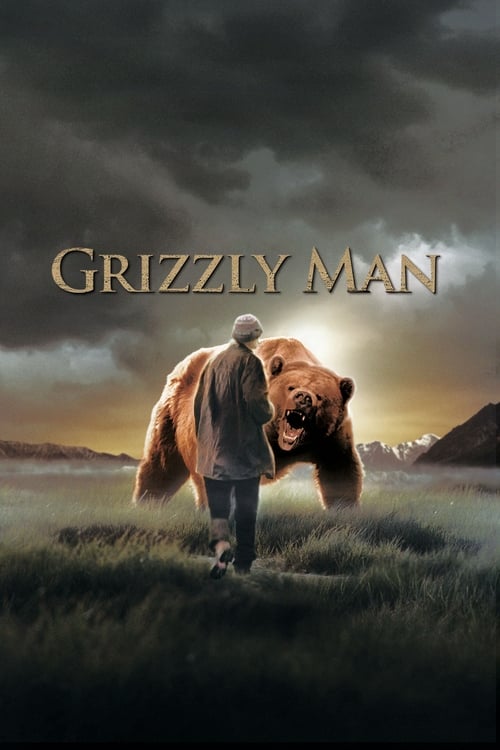
2005
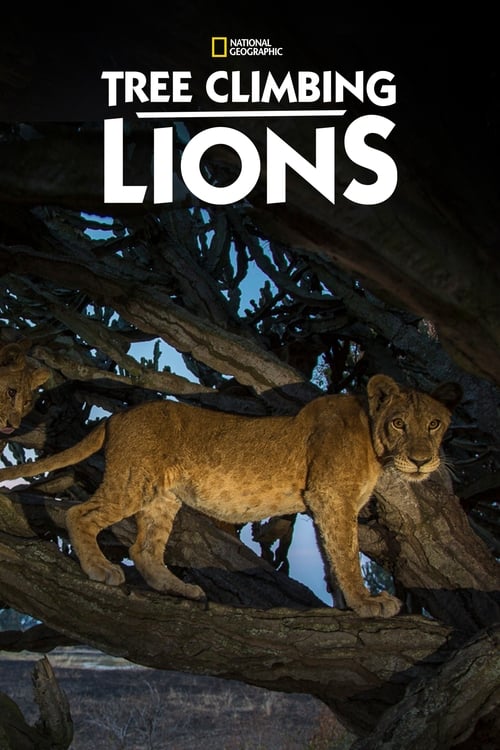
2018
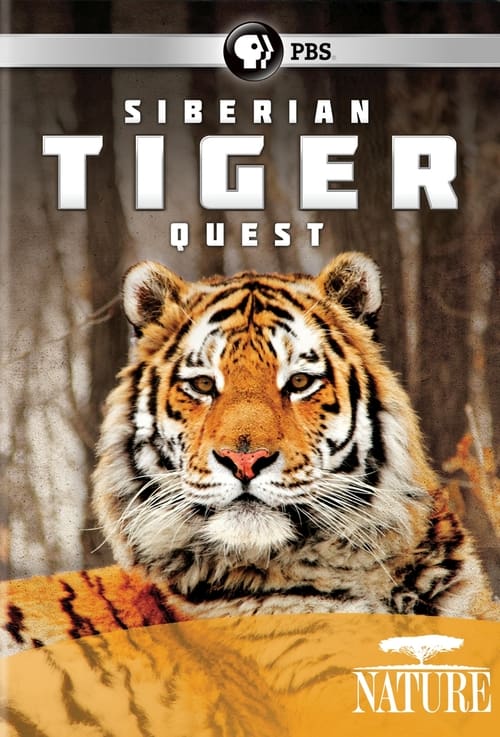
2012
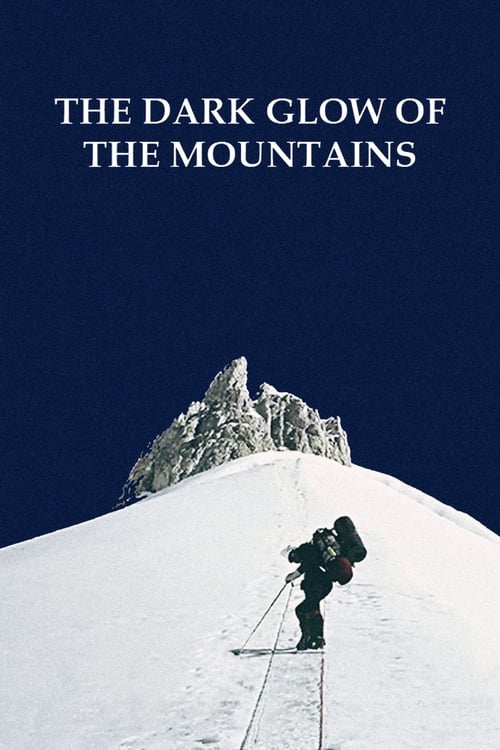
1985

2010
No reviews yet. Be the first to share your thoughts on this movie!
Use the rating form above to leave a star rating and optional review.