Find another title
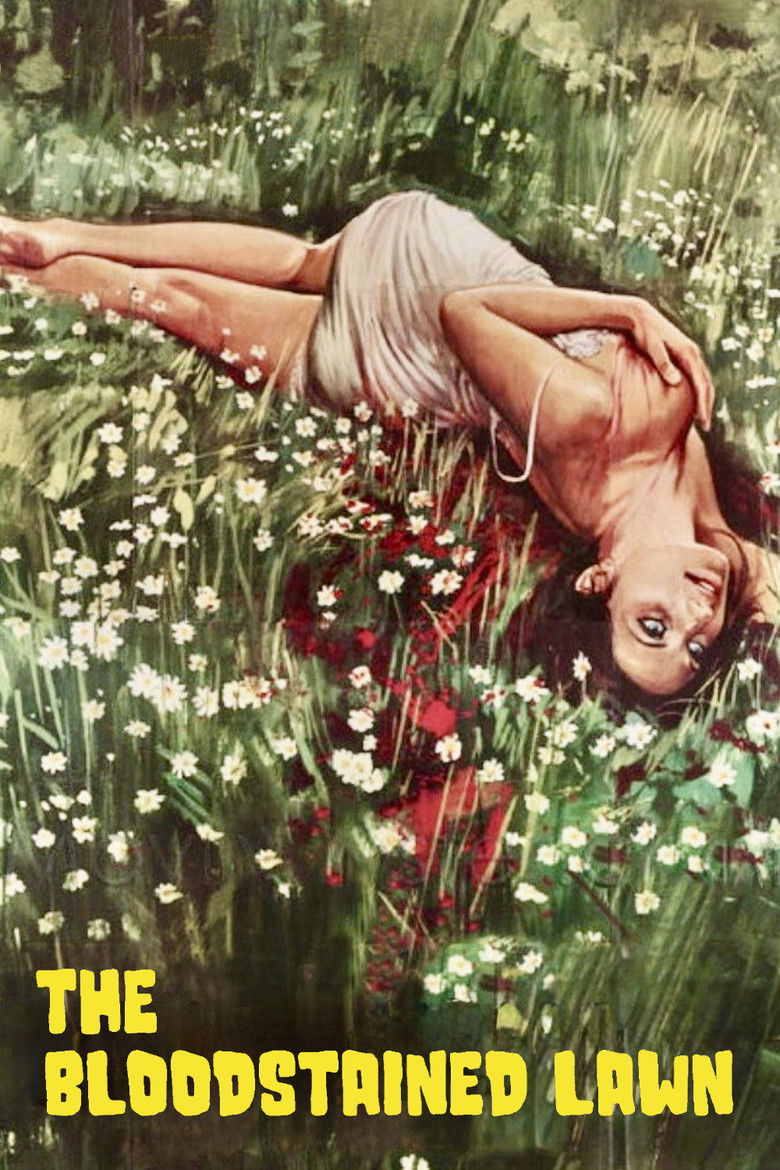
The Bloodstained Lawn
1973
Director
Riccardo Ghione
Runtime
86 minutes
Average Rating
No ratings yetSynopsis
Various undesirables and hippie drifters are invited to the luxury, ultra-modern country home of Dr. Antonio and his wife; when they begin to vanish, it becomes clear that something sinister — and deadly — is afoot.
Where to Watch
Diversity & Representation
Overall Score
Fair
Category Breakdown
LGBTQ+ Representation
The film lacks explicit LGBTQ+ characters or themes. The narrative focuses entirely on the survival of drifters and the mechanics of the horror.
Gender Representation
The female lead subverts 1970s tropes by acting as the central mastermind. She drives the plot's conflict rather than occupying a submissive role.
Racial & Ethnic Diversity
The inclusion of a gypsy girl suggests ethnic variety. However, these characters are framed primarily as social outcasts rather than individuals with agency.
Religious & Cultural Diversity
The film offers a scathing critique of capitalism and medical institutions. It depicts the wealthy commodifying the lives of the marginalized for profit.
Disability Representation
Characters with social disabilities, such as addiction, serve as plot devices. They lack complex narratives or personal agency within the story.
Strengths
- Subverts traditional gender roles by making the female lead the narrative mastermind.
- Provides a sharp, sophisticated critique of capitalism and institutional corruption.
- Uses genre tropes to highlight the exploitation of marginalized social groups.
Areas for Improvement
- Lacks depth for ethnic characters, often relying on archetypes of social outcasts.
- Fails to grant agency to characters representing social or physical disabilities.
- Provides no explicit representation of LGBTQ+ identities or themes.
AI Analysis
The Bloodstained Lawn uses the horror genre to deliver a sophisticated critique of systemic oppression. It effectively subverts traditional gender hierarchies by positioning the wife as the primary architect of the film's central, predatory scheme. While the film excels in its anti-capitalist themes, it struggles with character depth. Marginalized groups, including ethnic minorities and those with social disabilities, are often relegated to archetypal victims used to facilitate the plot's horror elements. Ultimately, the film's strength lies in its social commentary rather than its individual character representation. It challenges the morality of high-status institutions through a dark, genre-driven lens.
Rate this Movie
Reviews
No reviews yet. Be the first to share your thoughts on this movie!
Use the rating form above to leave a star rating and optional review.