
Death Scenes 3
1993
No user ratings available yet
Representation score: 0.6 out of 10
Representation Score
Minimal
1992
NRDirector
Nick Bougas
Runtime
82 minutes
Average Rating
No ratings yetNew Showbiz Analysis
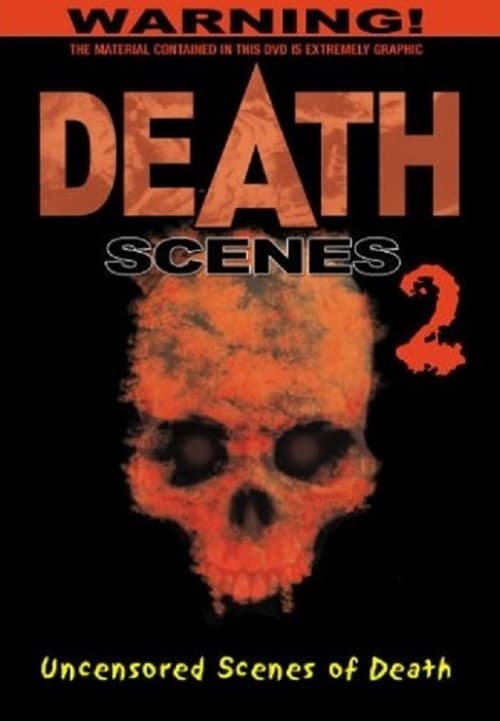
Death Scenes 2 opens with the cold, mechanical precision of archival newsreels, stripping human tragedy down to its visceral components. Directed by Nick Bougas, this 1992 mondo film functions less as a story and more as a catalog of mortality, juxtaposing the chaotic violence of the Manson murders with the sterile, bureaucratic shame of Governor R. Budd Dwyer’s suicide. The film’s argument is purely observational: death is a universal, undifferentiated force that consumes the powerful and the criminal alike. The sold meaning is one of detached curiosity. The camera does not judge the mob reprisals or the political failures; it simply records the aftermath. There is no hierarchy of suffering here, only a sequence of grim images that treat the human body as a site of inevitable failure. The narrator, Harold Wells, provides a thin veneer of context, but the visual evidence speaks for itself, reducing complex social and political events to mere spectacle. The film’s internal logic is consistent in its refusal to anthropomorphize its subjects. Whether depicting a public execution or a car accident, the focus remains on the physical reality of dying rather than the emotional or social implications. This creates a stark, unflinching portrait of a world where violence is a constant, background noise. The ending, like the rest of the film, offers no moral resolution or catharsis, leaving the viewer with the raw, unadorned fact of human fragility.
Category Breakdown
Absent. The film is a montage of archival death footage with no narrative characters, dialogue, or interpersonal dynamics to depict identity. No same-sex intimacy or queer life appears in the visual record.
Absent. The content consists of non-narrative clips of executions, accidents, and political suicide. There are no sustained character arcs, gendered roles, or relational dynamics to assess.
Absent. The footage features victims and perpetrators from various historical contexts, but the film presents them as anonymous subjects of violence rather than developed individuals. No racial dynamics or identities are explored or framed.
Absent. The film displays state violence, mob reprisals, and political failure as raw spectacle. It does not critique, affirm, or frame these institutions with narrative intent; they exist only as visual evidence of death.
Absent. No characters with disabilities appear, nor is impairment depicted as a narrative element. The focus is strictly on the mechanics of fatal violence and physical destruction.
Present on Screen
Limited or Absent
Official Synopsis
DEATH SCENES II continues the exploration into the dark recesses of violence and rage that ended in such heinous crimes as the Manson Family's assault on society. You'll see the gruesome aftermath of mob reprisals, public executions and international terrorism. DEATH SCENES II uniquely ushers the brave and curious into a spellbinding trip through the reality that is our world today.
1993
2012
1989

1993

1998
1996

1998
1999
No reviews yet. Be the first to share your thoughts on this movie!
Use the rating form above to leave a star rating and optional review.