In the Age of AI
2019
No user ratings available yet
Representation score: 8.1 out of 10
Representation Score
Excellent
2020
TV-MADirector
Shalini Kantayya
Runtime
86 minutes
Average Rating
No ratings yetNew Showbiz Analysis
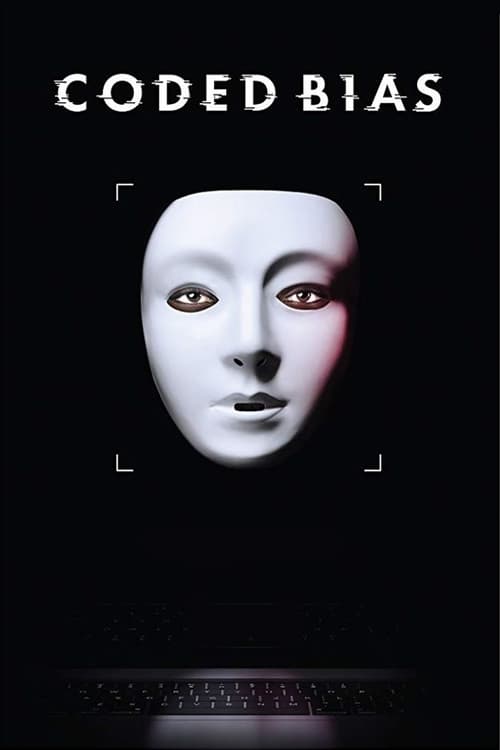
Coded Bias is a powerful exploration of how mathematical models can encode social hierarchies. By centering the lived experiences of Black and Brown individuals, the film effectively challenges global technological structures. The film stands out by focusing on Joy Buolamwini, whose role drives the investigation into facial recognition failures. This approach challenges the male-dominated tech industry and highlights the intersection of race and gender. While the documentary excels in critiquing racial and gender issues, it lacks specific focus on LGBTQ+ identities or disability-centric narratives. This limits its coverage in these areas.
Category Breakdown
The film does not focus on LGBTQ+ narratives or identities. It explores issues related to race and gender but does not include explicit perspectives on LGBTQ+ issues.
By focusing on Joy Buolamwini, the film challenges the male-dominated tech industry. It highlights how software errors disproportionately impact women, making gender a key factor in technological problems.
The documentary provides excellent representation by centering people of color. It uses the high error rates for darker skin tones to highlight how datasets can perpetuate racial disparities.
The narrative critiques how corporate interests and unregulated surveillance can harm underrepresented communities. It questions the perceived neutrality of Western technological advancements and institutional power.
The film touches on how automated systems can impact neurodivergent individuals and those with physical disabilities. However, it does not provide specific depictions of disability as a central narrative driver.
Present on Screen
Limited or Absent
Official Synopsis
Exploring the fallout of MIT Media Lab researcher Joy Buolamwini's startling discovery that facial recognition does not see dark-skinned faces accurately, and her journey to push for the first-ever legislation in the U.S. to govern against bias in the algorithms that impact us all.
2019

2013

2019

2018
2017

2012
2020

2017
No reviews yet. Be the first to share your thoughts on this movie!
Use the rating form above to leave a star rating and optional review.