Knockout
2000
No user ratings available yet
Representation score: 3.9 out of 10
Representation Score
Limited
2023
Director
Takahisa Zeze
Runtime
133 minutes
Average Rating
No ratings yetNew Showbiz Analysis
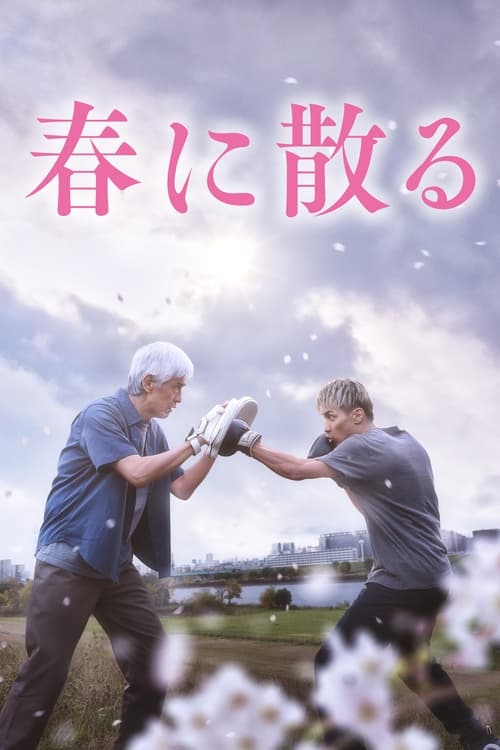
One Last Bloom is a character-driven drama that leans heavily on traditional masculine archetypes. The narrative prioritizes themes of redemption and mentorship through a conventional lens, limiting the exploration of diverse social hierarchies. While the protagonist's history of living in the United States adds a layer of cultural nuance regarding the diaspora, the film remains largely homogeneous. It focuses on individual merit and interpersonal bonds rather than challenging systemic power dynamics or presenting diverse identity perspectives.
Category Breakdown
The film highlights friendships and mentorship between male characters but does not include explicit representation of non-straight or non-cisgender identities. It also does not challenge the assumption that everyone is straight or cisgender.
The story revolves around professional boxing and centers on male characters. Their arcs are driven by competition and struggle within a patriarchal structure.
The film follows a Japanese protagonist who returns from the United States, adding a layer of cultural nuance. However, the core cast and setting remain primarily Japanese and culturally similar.
The movie emphasizes traditional values such as perseverance and redemption. It reinforces intergenerational family structures without critiquing them.
There is no discernible evidence regarding the portrayal of physical or neurodivergent disabilities. The focus remains on the physical rigors of boxing and aging.
Present on Screen
Limited or Absent
Official Synopsis
Forty years after leaving Japan for a boxing career in the U.S. that never panned out, Jin returns to restart his life with his old boxing buddies. When hotheaded young boxer Shogo asks for Jin’s help to get him back into the ring after an unfair loss, the two men decide to seize their final chance at glory. A boxing film so authentic that it inspired co-star Yokohama Ryusei to qualify as a pro boxer, Zeze Takahisa’s boxing drama is one of the veteran director’s most crowd-pleasing films thanks to the touching father-son bond at its core.
2000
2013
2000
2021
2023

1979
2020
2004
No reviews yet. Be the first to share your thoughts on this movie!
Use the rating form above to leave a star rating and optional review.