China 9, Liberty 37
1978
No user ratings available yet
Representation score: 4.9 out of 10
Representation Score
Limited
1997
NRDirector
Sammo Hung Kam-Bo
Runtime
102 minutes
Average Rating
No ratings yetNew Showbiz Analysis
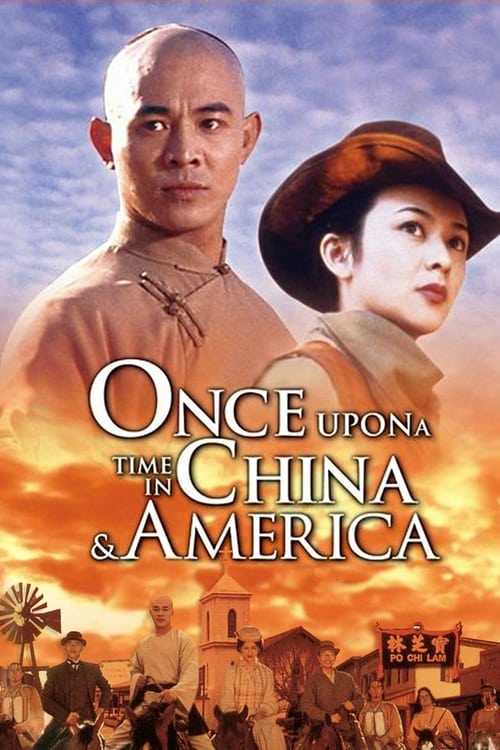
Once Upon a Time in China and America is a significant work of post-colonial storytelling. It challenges conventional Western historical narratives by presenting the American West as a place of systemic struggle for underrepresented communities rather than a site of heroic expansion. The film excels in its critique of Western hegemony and its portrayal of the immigrant experience. It offers a nuanced view of the historical realities of the Chinese diaspora through the lens of ethnicity and economic exploitation. However, the film adheres to traditional gender roles common in period action cinema. While it provides a deep cultural critique, it lacks LGBTQ+ representation and features limited women's ability to drive the story.
Category Breakdown
The film focuses on the socioeconomic struggles of the Chinese diaspora. There is no presence of LGBTQ+ characters or non-straight-centered identities.
The film emphasizes male-driven action and traditional hierarchies typical of wuxia cinema. Female characters play important roles but mainly support the plot.
The movie centers on the experiences of underrepresented Chinese laborers in the American West, highlighting systemic exploitation and racial hostility.
The story critiques Western expansionism and capitalist exploitation, emphasizing the conflict between Eastern traditions and Western modernization.
There are no prominent depictions of physical or neurodivergent disabilities that drive the narrative or serve as central character elements.
Present on Screen
Limited or Absent
Official Synopsis
So goes to the U.S. to open a martial arts school. Around this time, many Chinese people were sold off to U.S. railroad companies, and were brutally treated by the Americans under the harsh working conditions. Thus, the American workers' hatred towards the Chinese immigrants is high. As a result, So gets into trouble with the Americans and the mob, and calls Master Wong for help.
1978
1992

1993
1991
1995

1973
1992
1977
No reviews yet. Be the first to share your thoughts on this movie!
Use the rating form above to leave a star rating and optional review.