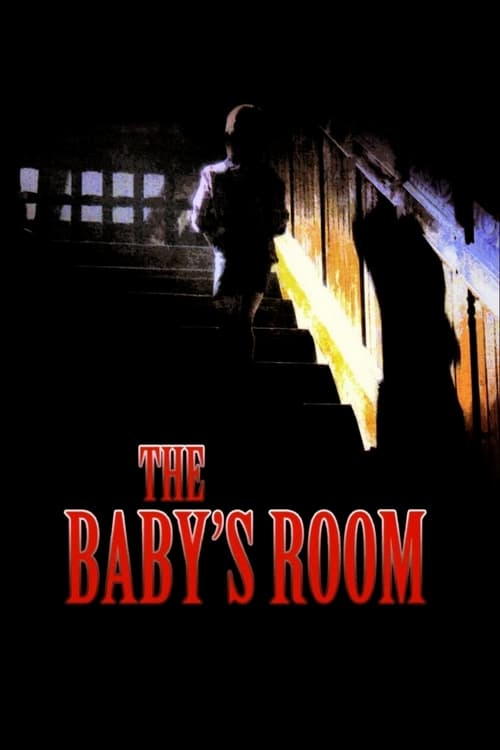
The Baby's Room
2006
No user ratings available yet
Diversity score: 3.0 out of 10

2021
Runtime
60 minutes
Average Rating
No ratings yetSynopsis
Madrid, Spain, 1982. TV director Chicho Ibáñez Serrador asks André, a lousy actor playing a ventriloquist, to work with Charlie, a disturbing dummy.
Overall Score
Fair
Category Breakdown
LGBTQ+ Representation
The film lacks explicit LGBTQ+ characters or narratives. It operates within a traditional horror framework where identity remains secondary to the central supernatural threat.
Gender Representation
The story focuses on masculine archetypes, centering on a male actor and a male-coded dummy. There is no evidence of high-agency female protagonists or subverted gender hierarchies.
Racial & Ethnic Diversity
Set in 1982 Madrid, the cast reflects the demographic homogeneity of its historical setting. The film lacks documented diverse ethnic integration in its primary characters.
Religious & Cultural Diversity
The narrative prioritizes psychological dread over critiques of Western institutions or religion. While set during a period of social transition in Spain, the focus remains supernatural.
Disability Representation
The central dummy serves a horror function rather than a representative one. There is no evidence of characters with disabilities being granted agency or empowerment.
Strengths
Areas for Improvement
AI Analysis
Freddy functions primarily as a genre-driven psychological thriller. It prioritizes atmospheric dread and historical setting over intentional intersectional representation or systemic subversion of social norms. The narrative architecture centers on traditional masculine archetypes and a Eurocentric historical context. This focus on genre tropes limits the depth of diverse character agency. Ultimately, the film reflects the demographic and social homogeneity of 1982 Spain, leaning into the uncanny rather than progressive social commentary.
No reviews yet. Be the first to share your thoughts on this movie!
Use the rating form above to leave a star rating and optional review.