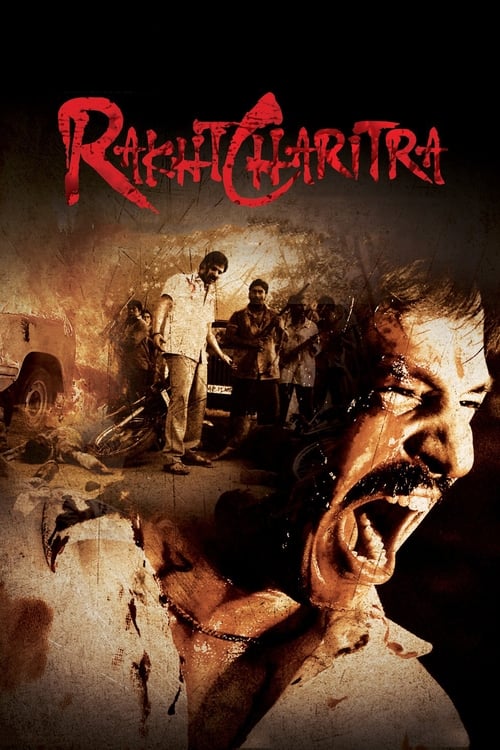
Rakht Charitra
2010
No user ratings available yet
Representation score: 2.9 out of 10
Representation Score
Fair
2008
RDirector
Kabeer Kaushik
Runtime
105 minutes
Average Rating
No ratings yetNew Showbiz Analysis
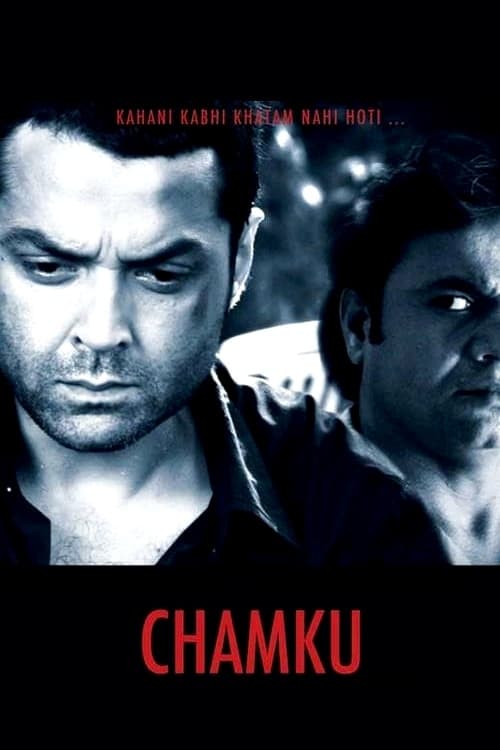
Chamku is a crime thriller that emphasizes political struggle and personal revenge over diverse identity representation. The narrative is driven by traditional male clichés of violence and systemic conflict. While the film provides a non-Western perspective through its Indian cinematic framework, it lacks clear evidence of diverse identity representation. The themes focus on a critique of institutional authority rather than social subversion. Ultimately, the film serves as a typical genre piece. It offers insight into Indian political tension but doesn't engage significantly with LGBTQ+ or gender-diverse narratives.
Category Breakdown
The film doesn't include clear examples of queer narratives or non-straight relationships. The story focuses on crime and political activism, which centers around traditional conflict themes.
The story follows a male-focused journey of trauma and violence. While female characters aren't explicitly excluded, the main character's path reinforces traditional masculine roles of the warrior.
Operating within an Indian cinematic context, the film offers a non-Western viewpoint. However, it's unclear if the film uses diverse casting to challenge internal social hierarchies.
The story examines the tension between an individual and the state through political activism. This storyline suggests a critique of the effectiveness and morality of established political systems.
The film mentions a traumatized child but doesn't clarify if there's any representation of disabilities. It's unclear if the film addresses mental health issues or uses trauma simply as a plot device.
Present on Screen
Limited or Absent
Official Synopsis
A traumatized child becomes a political activist but agrees to become an assassin upon being captured.
2010
2010
2000

2012
2018
2000
2004
2016
No reviews yet. Be the first to share your thoughts on this movie!
Use the rating form above to leave a star rating and optional review.