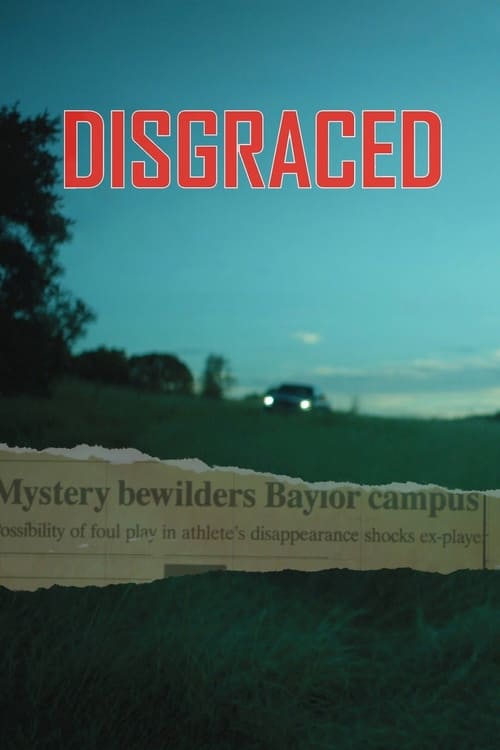
Disgraced
2017
No user ratings available yet
Representation score: 7.9 out of 10

Representation Score
Excellent
2024
Director
Suemay Oram
Runtime
80 minutes
Average Rating
No ratings yetNew Showbiz Analysis
Stolen Gold stands out by centering the ability to act of intellectually disabled athletes and questioning institutional integrity. Unlike typical 'triumph of the spirit' sports documentaries, it uses the Paralympic setting to deconstruct truth and expose systemic fraud. The film's strength lies in its refusal to reduce disability to a mere cliché for pity. Instead, it integrates the lived experiences of underrepresented athletes into a complex, high-stakes investigation of conspiracy and personal trauma. While the film excels in disability and cultural representation, it lacks explicit engagement with LGBTQ+ identities or diverse gender hierarchies, focusing primarily on a specific male-centric narrative arc.
Category Breakdown
The film does not explicitly include LGBTQ+ characters or narratives that challenge traditional assumptions about sexuality and gender. There is no direct representation of LGBTQ+ individuals or communities.
The story revolves around Ramón Torres, a male protagonist. His journey explores personal trauma and vulnerability, which may challenge traditional masculine stereotypes by highlighting his emotional growth.
By focusing on a Spanish athletic team, the documentary showcases non-Anglo-Saxon narratives. It highlights specific cultural identities within the context of the Sydney Paralympics.
The film critiques institutional structures by presenting its central conflict as a systemic scandal. It emphasizes psychological complexity and the deconstruction of truth over idealized representations of upbringing.
The narrative centers on an intellectually disabled basketball team, giving them a significant role in driving the story. It avoids 'inspiration porn' by delving into complex themes of betrayal and high-stakes drama.
Present on Screen
Limited or Absent
Official Synopsis
The incredible true story of Ramón Torres and the Spanish intellectually disabled basketball team’s dramatic journey to the gold medal at the Sydney Paralympics in 2000. The documentary exposes the shocking aftermath of their victory, where Ramón discovers that some of his teammates are not what they seem. Among them is an undercover journalist intent on revealing an outrageous scandal that will rock the world of Paralympic sport. As the scandal unravels, Ramón realizes that everything he believed in was a lie and is forced to confront not only the fraudulent conspiracy, but also a childhood scarred by bullying and trauma to find out who he really is.
2017
2005
2019
2020

2014
2013
2014
2019
No reviews yet. Be the first to share your thoughts on this movie!
Use the rating form above to leave a star rating and optional review.