
Thomas & Friends: Best of Percy
2001
No user ratings available yet
Representation score: 2.1 out of 10
Representation Score
Minimal
2003
Director
David Mitton
Runtime
45 minutes
Average Rating
No ratings yetNew Showbiz Analysis
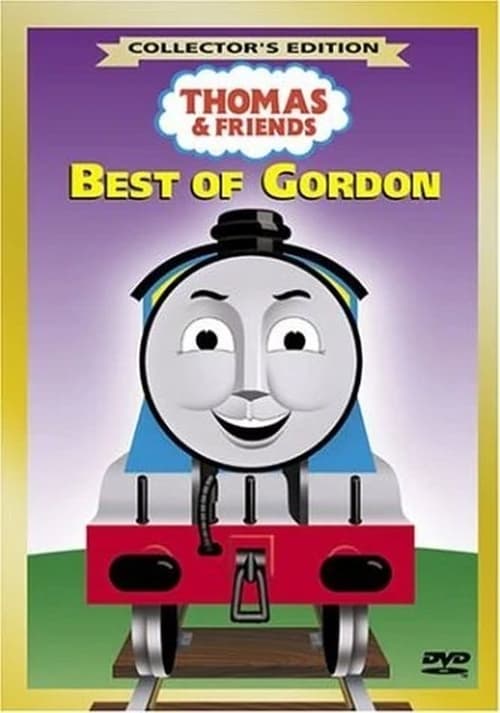
This series of stories revolves around Gordon, a prominent engine, and uses his adventures to reinforce themes of social order and industrial utility. The narrative structure is traditional, emphasizing mechanical competence and obedience to authority figures such as the Fat Controller. Representation is limited, focusing on anthropomorphic locomotives. This narrow focus leads to a homogeneous worldview lacking in diverse cultural or identity perspectives. The social dynamics adhere to traditional masculine archetypes without offering progressive alternatives. Ultimately, the film serves as a tool for reinforcing strict industrial discipline. It upholds established hierarchies and emphasizes the importance of usefulness within a rigid industrial framework, neglecting diverse cultural and identity-based perspectives.
Category Breakdown
The story focuses solely on anthropomorphic machines. There is no representation of LGBTQ+ identities or same-sex relationships.
The main character, Gordon, embodies traditional masculinity, emphasizing strength and dominance. His arrogance is portrayed as a flaw, but the overall social hierarchy remains conventional.
The setting is a uniform industrial environment where characters are defined by their mechanical roles rather than any visible racial or ethnic characteristics.
The narrative highlights Western institutional structures through the authority of the Fat Controller. It emphasizes obedience to industrial rules and discipline.
Mechanical breakdowns are presented as temporary issues rather than explorations of disability. There is no depiction of neurodivergence or physical disabilities among the characters.
Present on Screen
Limited or Absent
Official Synopsis
He's faster than a speeding Bertie, more powerful than any other locomotive, and able to climb steep hills on a single tender of coal - - - who is he???? He's Gordon, the fastest and most powerful engine on the Island of Sodor. Now you can share in all of his splendor with this exciting collection of stories starring everyone's favorite express engine. In this commorative Collector's Edition, watch as Gordon helps Thomas out of a "sticky" situation. Discover what Gordon's spooky gremlin really turns out to be, and learn that sometimes, even the strongest engine needs a little help from his friends. So hop on the express coaches and take a ride with Gordon as he takes you on some of his favorite and most exciting adventures.
2001
2001
1999
1993
2003
1992

1990
2004
No reviews yet. Be the first to share your thoughts on this movie!
Use the rating form above to leave a star rating and optional review.