What's Opera, Doc?
1957
No user ratings available yet
Representation score: 0.6 out of 10

Representation Score
Fair
1943
NRDirector
Jack Kinney
Runtime
8 minutes
Average Rating
No ratings yetNew Showbiz Analysis
This wartime propaganda short uses a surreal nightmare to critique the dehumanizing effects of totalitarianism. While it lacks contemporary diverse representation, it offers a sophisticated deconstruction of absolute authority and systemic dysfunction. The film's strength lies in its cultural critique of institutional oppression, presenting the state as a source of psychological decay. However, it relies on era-specific caricatures and lacks representation for LGBTQ+ identities or nuanced depictions of neurodivergence. The focus remains heavily on a singular, male-coded worker archetype.
Category Breakdown
The film does not depict any LGBTQ+ identities or queer domestic life, focusing solely on the protagonist's psychological struggles in a military environment.
The story revolves around a male-coded laborer working in an industrial-military setting. Gender identity is overshadowed by the state's demands.
The film portrays Axis powers using caricatures to represent the antagonists. These ethnic identifiers serve to symbolize a collective, oppressive 'other'.
The film effectively critiques institutional oppression by depicting the Nazi state as a source of madness. It satirizes forced collectivism and the loss of individual autonomy.
Donald's psychological breakdown serves as a narrative device to transition from a nightmare to reality. However, it lacks a nuanced portrayal of mental health issues.
Present on Screen
Limited or Absent
Official Synopsis
A marching band of Germans, Italians, and Japanese march through the streets of swastika-motif Nutziland, serenading "Der Fuehrer's Face." Donald Duck, not living in the region by choice, struggles to make do with disgusting Nazi food rations and then with his day of toil at a Nazi artillery factory. After a nervous breakdown, Donald awakens to find that his experience was in fact a nightmare.
1957

2005
1943
1953
1943
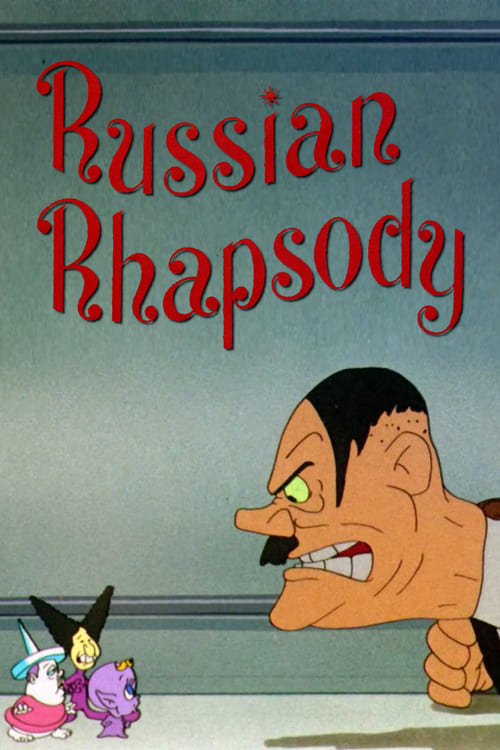
1944
1943
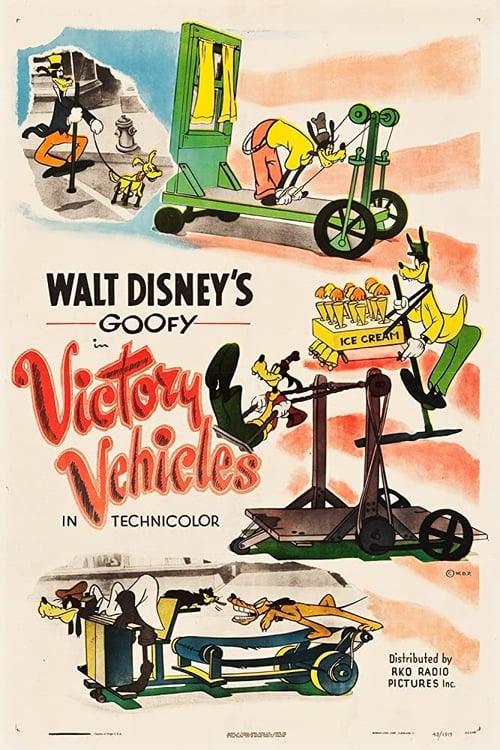
1943
No reviews yet. Be the first to share your thoughts on this movie!
Use the rating form above to leave a star rating and optional review.