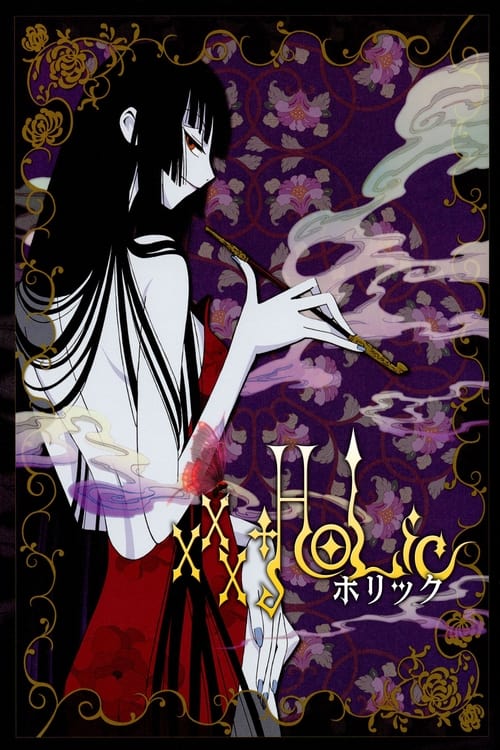
xxxHOLiC The Movie: A Midsummer Night's Dream
2005
No user ratings available yet
Representation score: 8.0 out of 10
Representation Score
Fair
1992
Director
Mamoru Oshii
Runtime
105 minutes
Average Rating
No ratings yetNew Showbiz Analysis
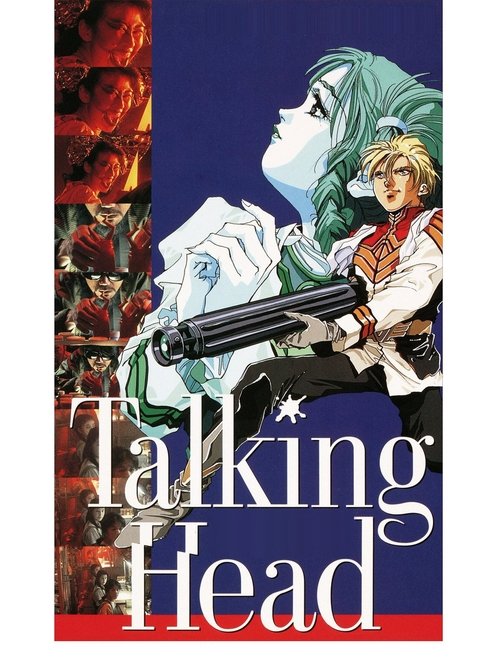
Talking Head stands as a significant departure from Western-centric storytelling clichés. By focusing on a Japanese production, it avoids the homogeneity often found in global media. The film's strength lies in its cultural positioning and the sophisticated narrative structure characteristic of Mamoru Oshii. However, the work lacks concrete evidence regarding the overlapping aspects of identity. Without specific details on the cast's ethnic makeup or individual character arcs, it is hard to gauge the depth of its social representation. Ultimately, the film offers a postmodern exploration of systemic structures. While it successfully challenges cultural perspectives, it remains ambiguous regarding specific gender and LGBTQ+ depictions.
Category Breakdown
The film does not provide clear evidence of LGBTQ+ characters or intimate relationships. While the movie often explores fluid identities, there is no definitive proof of LGBTQ+ characters or interactions.
The narrative centers around a production team facing systemic issues. This setup has the potential to challenge traditional gender roles, but specific character arcs remain unspecified.
As a Japanese production, the film offers a non-Western perspective that challenges Anglo-centric media norms. Operating outside a Western cultural framework, it provides a unique viewpoint.
The film blends genres to question institutional stability. The idea of a disappearing director highlights skepticism towards established authority and organized systems.
There is no indication of characters with visible or invisible disabilities within the film.
Present on Screen
Limited or Absent
Official Synopsis
After the director of a film in production dissappears, his replacement has to deal with the cast and crew being mysteriously killed off one by one.
2005
2015
1992

2001
2009
1998
2008
1999
No reviews yet. Be the first to share your thoughts on this movie!
Use the rating form above to leave a star rating and optional review.