The King of Havana
2015
No user ratings available yet
Representation score: 9.0 out of 10
Representation Score
Excellent
2011
Director
Gerardo Chijona
Runtime
88 minutes
Average Rating
No ratings yetNew Showbiz Analysis
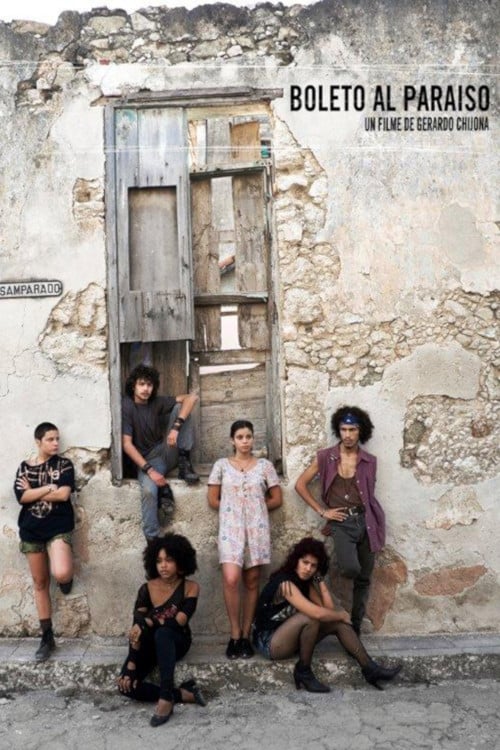
Ticket to Paradise offers a vital departure from conventional Western storytelling by centering on the margins of society. It replaces the sanitized hero's journey with a collective struggle for survival amidst systemic collapse. The film's strength lies in its refusal to idealize social reality. By exploring homelessness, sexual trauma, and the AIDS crisis, it provides a nuanced look at identity and ability to act within a non-Western framework. While the film succeeds in cultural authenticity and racial representation, it occasionally leans into male-centric perspectives, slightly tempering its gender-based narrative progression.
Category Breakdown
The film includes LGBTQ identities through its setting in an AIDS hospice. While not the main romantic focus, these identities are part of the broader social fabric.
Eunice demonstrates a significant role in driving the story by escaping patriarchal harassment to seek independence. However, the narrative often focuses on male camaraderie and the perspectives of male protagonists.
The film centers a non-Western, non-Anglo-Saxon majority cast, providing an authentic backdrop that reflects the organic demographic reality of Havana.
The story critiques Western capitalist structures by depicting Cuba’s 'special period.' It emphasizes communal connection and survival over individualistic consumerism within a specific socio-political context.
The inclusion of an AIDS hospice addresses chronic illness and systemic fragility. These elements depict individuals navigating health crises with dignity rather than relying on pure melodrama.
Present on Screen
Limited or Absent
Official Synopsis
Eunice is a teenage girl who is running away from her father's sexual harassment. Alejandro is a young rocker who breaks into a drugstore and escapes to Havana with a couple of friends. When they meet on the road, they decide to travel together in search of a paradise. This will mark the rest of their lives. They are homeless, during Cuba's 'special period' of acute shortages, and the local AIDS hospice begins to look like an unlikely refuge
2015

2013

1999

2005
1995
1999

2006

2015
No reviews yet. Be the first to share your thoughts on this movie!
Use the rating form above to leave a star rating and optional review.