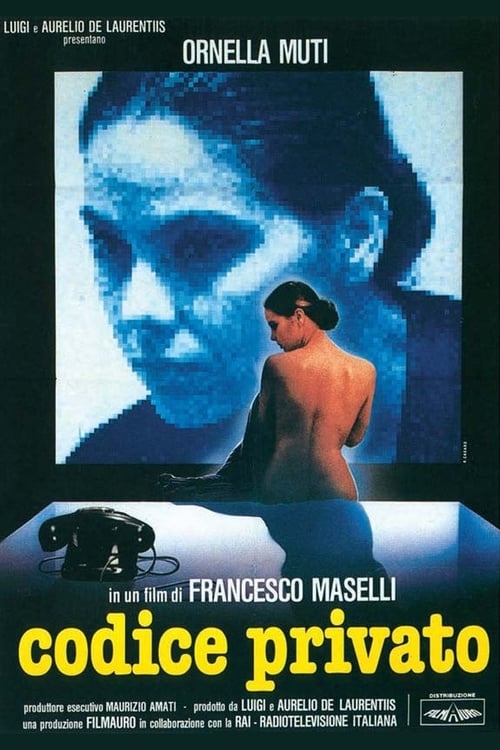
Codice privato
1988
No user ratings available yet
Representation score: 5.5 out of 10
Representation Score
Fair
1990
Director
Francesco Maselli
Runtime
110 minutes
Average Rating
No ratings yetNew Showbiz Analysis
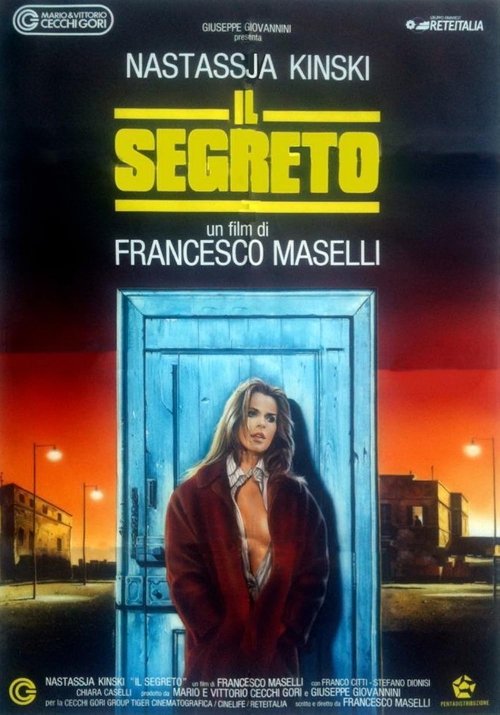
The film opens on the distressed face of Nastassja Kinski, establishing a psychological domestic drama where the house is a cage and the marriage is a dead weight. *The Secret* argues that the traditional Italian nuclear family is a hollow structure, sustained only by the endurance of the woman trapped within it. The camera loves Lucia, treating her emotional volatility as the moral truth, while framing Carlo’s callowness and skittishness as the primary sources of dysfunction. This is not a story of rescue; it is a story of survival. The "secret" is not a plot twist but the unspoken reality that the husband is a fraud and the domestic role is a trap. The film’s internal logic pulls against any notion of traditional harmony. The older friend, Franco, does not restore order but merely witnesses the breakdown. The ending rewards Lucia’s isolation and reclamation of selfhood over the restoration of the household, suggesting that the "good" outcome of subservience is actually a loss. The sold meaning is clear: female autonomy is only possible through the rejection of traditional domestic expectations. The men pay for their emotional failures through humiliation, while Lucia retains her moral high ground, even if it costs her the home. It is a quiet, ironic hymn to the end of the marriage, where the last image is not a reunion but a solitary clarity.
Category Breakdown
No queer characters or intimacy appear. The romance is strictly heterosexual, centering Lucia and Carlo. No identity markers disrupt the binary pairing.
Lucia anchors the moral center, her distress framed as truth. Carlo is callow and skittish. Her endurance outweighs the nuclear unit’s restoration.
The cast is predominantly Italian. Nastassja Kinski is the sole phenotypic outlier. No non-white characters appear in the domestic sphere.
The home is a claustrophobic trap. Traditional marriage is depicted as hollow. The film critiques the 'good wife' role, favoring isolation over subservience.
No physical or cognitive disabilities are present. Stress functions as a temporary plot device. No ongoing lived experiences are depicted.
Present on Screen
Limited or Absent
Official Synopsis
Lucia (Natassja Kinski) is a volatile, exciteable young woman. She forms a romance with Carlo (Stefano Dionisi), who is somewhat callow and is very skittish. Their romance is not an easy one, but they are assisted in coping with its ups and downs by their mutual friendship with Franco (Franco Citti), an older, wiser and more stable man.
1988
2008
1981
1976
1979
1991
1998
1992
No reviews yet. Be the first to share your thoughts on this movie!
Use the rating form above to leave a star rating and optional review.