
Alexander the Great
1980
No user ratings available yet
Representation score: 5.8 out of 10
Representation Score
Fair
1981
Director
Lakis Papastathis
Runtime
98 minutes
Average Rating
No ratings yetNew Showbiz Analysis
Lakis Papastathis delivers a film that prioritizes sociological depth over demographic variety. The work functions primarily as a critique of class-based morality and the tension between tradition and modernity. While the film lacks significant representation for women or LGBTQ+ individuals, it succeeds in deconstructing institutional morality. It replaces standard social hierarchies with a localized, complex understanding of identity. The strength of the film lies in its ability to elevate underrepresented social groups, challenging the viewer to reconsider the validity of established, Westernized social orders.
Category Breakdown
The film does not explicitly depict LGBTQ+ identities or dynamics that challenge the assumption that everyone is straight. Instead, it focuses on class struggles and philosophical conflicts between merchants and brigands.
The story centers around a male-dominated conflict between merchants and outlaws, adhering to traditional patriarchal structures where male figures hold primary control over the narrative.
The film explores 'New Hellenism' through an ethnically Greek cast, elevating non-urbanized cultural elements over Westernized, capitalist norms.
The narrative challenges Western social structures by presenting the brigands' moral code as a valid alternative to established laws. It critiques bourgeois stability.
There is no depiction of physical or neurodivergent disabilities within the film's narrative.
Present on Screen
Limited or Absent
Official Synopsis
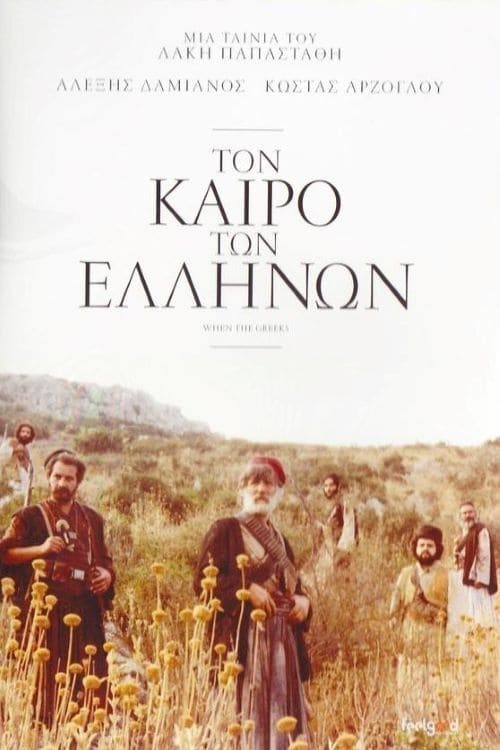
At the turn of the twentieth century a young merchant is abducted by a group of brigands who are sheltered in a remote mountainous area of Greece aiming to extract ransom from his wealthy family. The young man develops a kind of sympathy to the arch-brigand and realizes that the underground life and moral code of his kidnappers actually represent a more genuine expression of “New Hellenism” than his bourgeois well-being.
1980

1967

1958

2011

1970

1975

1986

1965
No reviews yet. Be the first to share your thoughts on this movie!
Use the rating form above to leave a star rating and optional review.