
Lukas the Strange
2013
No user ratings available yet
Diversity score: 6.8 out of 10
2018
Director
Ramaa Mosley
Runtime
105 minutes
Average Rating
No ratings yetSynopsis
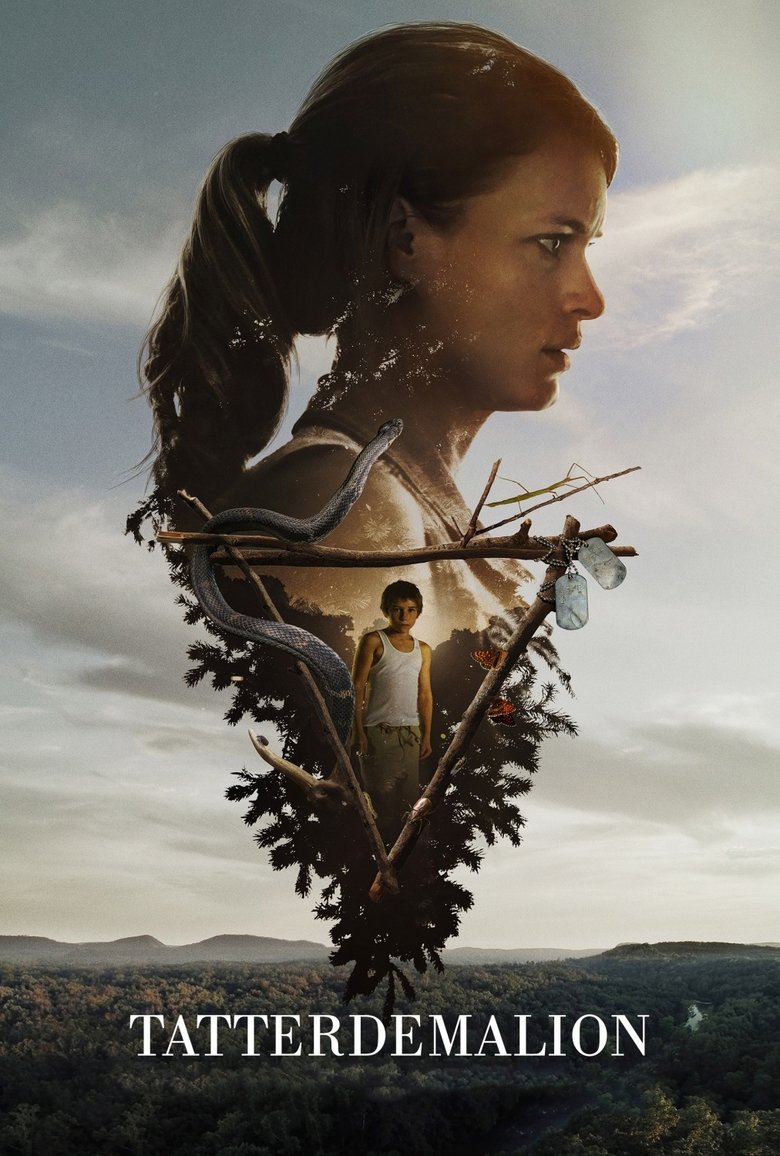
An army veteran discovers an abandoned boy lurking in the woods behind her childhood home. After taking in the boy, she searches for clues to his identity, and discovers local folklore about a malevolent life-draining spirit that comes in the form of a child: The Tatterdemalion.
Overall Score
Fair
Category Breakdown
LGBTQ+ Representation
The film lacks explicit evidence of LGBTQ+ characters or non-heteronormative relationships. The narrative focus remains strictly on the connection between the veteran and the child.
Gender Representation
The story subverts traditional tropes by centering a female army veteran. This placement shifts the survivalist agency and leadership roles typically reserved for male protagonists in military dramas.
Racial & Ethnic Diversity
The film's racial composition is not explicitly detailed in the narrative overview. However, the direction by Ramaa Mosley suggests a framework that allows for diverse casting possibilities.
Religious & Cultural Diversity
The plot utilizes the 'Tatterdemalion' folklore to explore local myths. It deconstructs the trope of the innocent child by framing the spirit as a source of existential dread.
Disability Representation
There is no discernible evidence regarding the depiction of physical or neurodivergent disabilities within the film's context.
Strengths
Areas for Improvement
AI Analysis
Lost Child offers a compelling departure from standard military tropes by centering a female veteran in a survivalist role. This choice provides a more psychological approach to identity and protection than typical action-oriented soldier narratives. The film's strength lies in its use of folklore to challenge audience expectations of innocence. By introducing the Tatterdemalion, the story moves away from predictable horror archetypes toward a more complex exploration of myth and dread. However, the film remains limited by a lack of visible representation in several key areas. Without specific details on racial casting or LGBTQ+ dynamics, the narrative's breadth remains somewhat narrow and focused on a singular character bond.
2013

2016
2019
2020
2007
2018
2018
2019

2019
2019
2018
2017
No reviews yet. Be the first to share your thoughts on this movie!
Use the rating form above to leave a star rating and optional review.