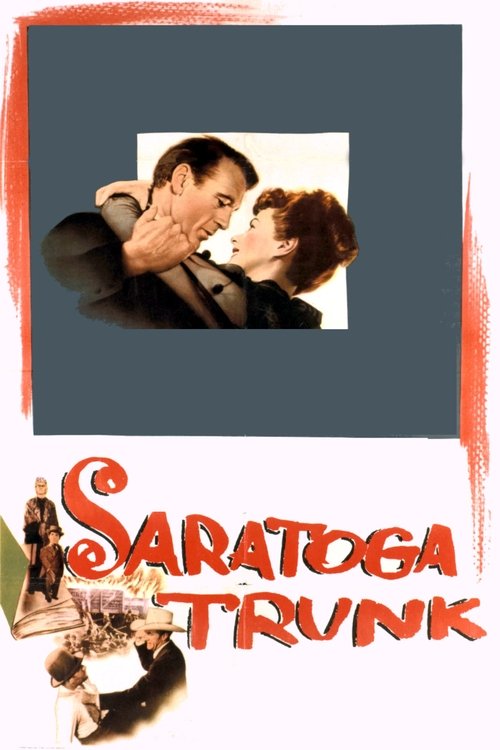
Saratoga Trunk
1945
No user ratings available yet
Diversity score: 2.2 out of 10
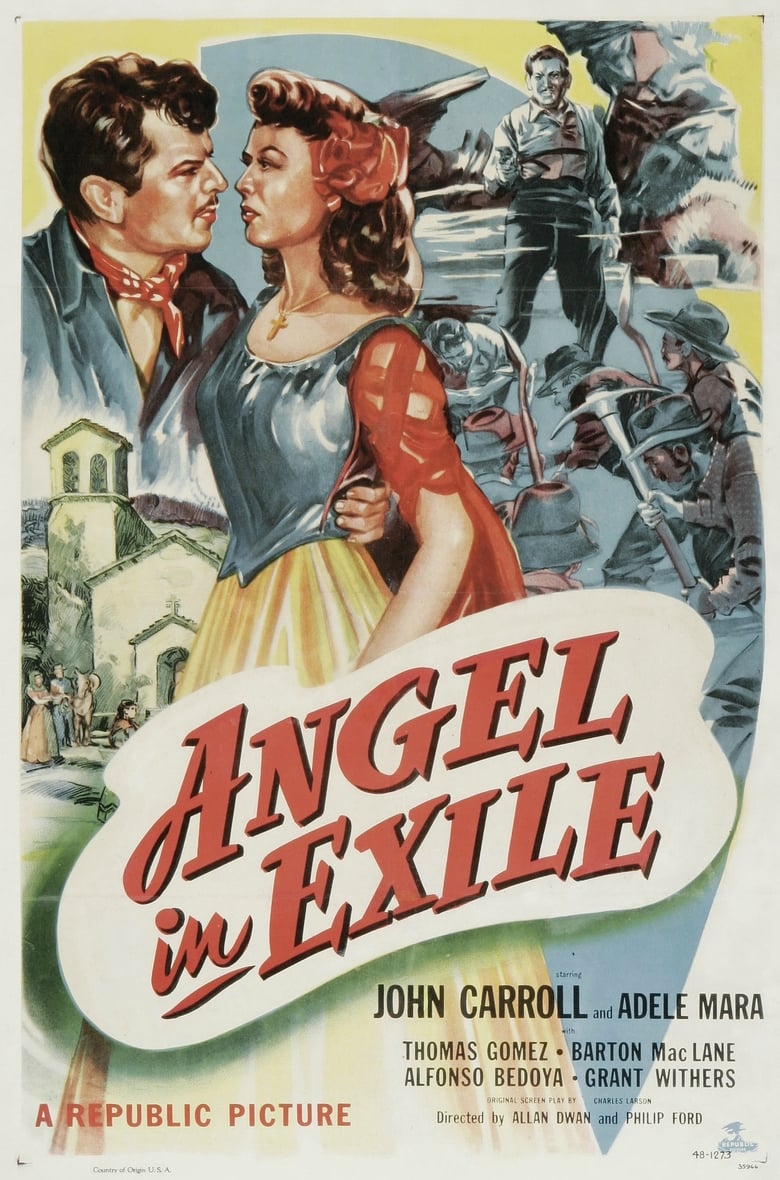
1948
NRDirector
Allan Dwan, Philip Ford
Runtime
90 minutes
Average Rating
No ratings yetSynopsis
An ex-convict on his way to make his fortune in a gold mine in Arizona has his trip interrupted when the residents of a small Mexican village believe him to be a sacred religious figure.
Overall Score
Limited
Category Breakdown
LGBTQ+ Representation
The film adheres to the heteronormative social standards of 1948. There are no discernible LGBTQ+ characters or narratives that critique gender identity or sexual orientation.
Gender Representation
While the romance genre implies female presence, the film operates within traditional gender hierarchies. Women do not appear to exercise agency that disrupts masculine leadership or subverts mid-century tropes.
Racial & Ethnic Diversity
A Mexican village provides a multicultural backdrop for the story. However, the narrative remains centered on an American outsider, risking the local community serving as a passive setting.
Religious & Cultural Diversity
The plot utilizes religious misunderstanding as a central device. This reinforces conventional moral structures rather than challenging them through secularism or systemic critique.
Disability Representation
There is no documented evidence regarding the portrayal of physical or neurodivergent disabilities in this production.
Strengths
Areas for Improvement
AI Analysis
Angel in Exile is a traditional mid-century genre piece that reflects the social hierarchies of the post-WWII era. While the Mexican setting provides a baseline for ethnic diversity, the film lacks deep intersectional complexity. The narrative is driven by an American protagonist, which keeps the focus on an outsider perspective rather than the agency of the local population. This prevents the multicultural setting from achieving true depth. Ultimately, the film relies on established tropes of romance and religion to drive its plot. It functions as a standard studio production that reinforces, rather than subverts, the status quo of its time.
1945
1955
1952
1955
2002
No reviews yet. Be the first to share your thoughts on this movie!
Use the rating form above to leave a star rating and optional review.