Call Your Mother
2020
No user ratings available yet
Representation score: 9.5 out of 10
Representation Score
Excellent
2015
Not RatedDirector
Todd G. Bieber
Runtime
84 minutes
Average Rating
No ratings yetNew Showbiz Analysis
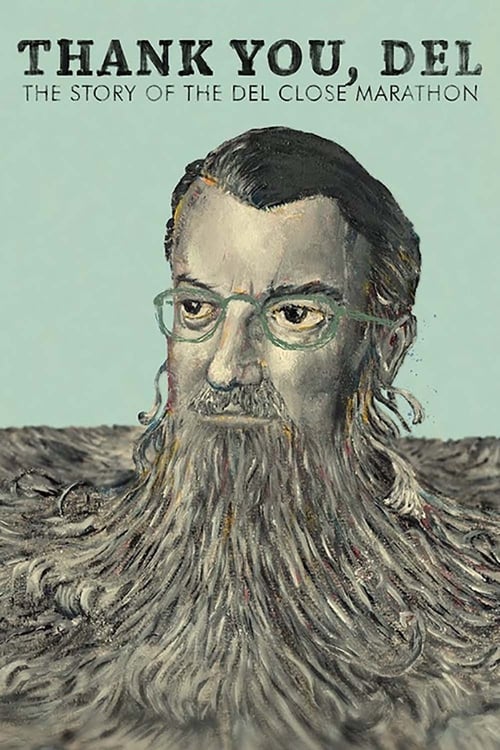
Thank You, Del serves as a niche historical document of an avant-garde artistic lineage. It portrays a subculture that naturally disrupts conventional social hierarchies through its emphasis on collaboration and spontaneity. The film highlights a diverse community of performers and mentors, moving away from rigid, traditional media hierarchies. However, the documentary lacks intentional focus on disability or neurodivergence, and the narrative remains centered on the professional philosophy of improv rather than specific identity-based struggles.
Category Breakdown
The film captures the natural inclusivity of the Chicago improv scene through archival footage and interviews. LGBTQ+ individuals are present, but the narrative does not focus specifically on critiquing assumptions about straight relationships.
Women play significant roles as performers, mentors, and leaders within this creative environment. The film emphasizes collaborative teamwork and ensemble-based leadership over traditional patriarchal models of comedy.
The documentary presents a multi-ethnic landscape of the improvisational community. It avoids depicting a homogeneous white ensemble, though race is not used as a primary narrative driver.
The film celebrates the deconstruction of traditional theatrical structures in favor of spontaneous performance. It prioritizes an anti-establishment, 'art for art's sake' ethos that values subjective experience over institutionalized tradition.
The documentary focuses on the professional and philosophical aspects of improv. There is no significant focus on neurodivergence or physical disability within the presented subject matter.
Present on Screen
Limited or Absent
Official Synopsis
Del Close was never a household name, but any comedy enthusiast is aware of his impact. From Bill Murray to Chris Farley to Amy Poehler, many of the most famous comedians consider him their mentor. Fifteen years after Del Close’s death, thousands of Improv students, comedy fans, actors, and successful comedians gather to celebrate the most important person in modern comedy that no one knows.
2020
2025

2013
2017
2016
2018
2014
2005
No reviews yet. Be the first to share your thoughts on this movie!
Use the rating form above to leave a star rating and optional review.