
Awake
2019
No user ratings available yet
Representation score: 4.4 out of 10
Representation Score
Limited
2019
RDirector
Malik Bader
Runtime
112 minutes
Average Rating
No ratings yetNew Showbiz Analysis
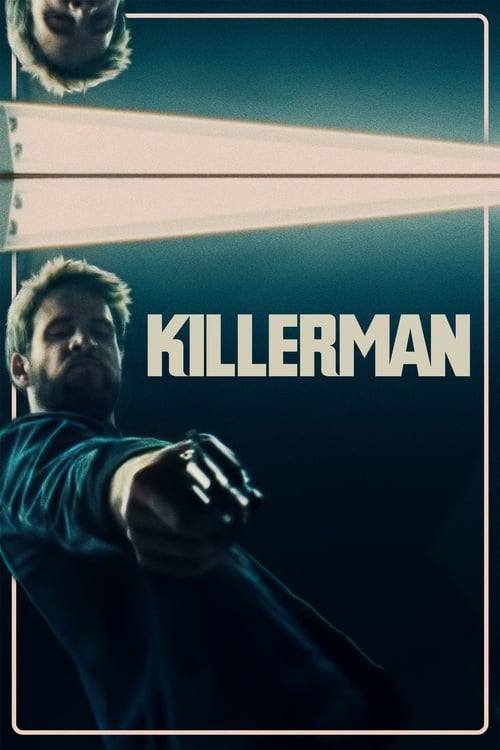
Killerman offers a sophisticated look at systemic racial tension by subverting traditional Western clichés. By centering a Black child in a racially charged 1970s rural landscape, the film prioritizes a critique of social hierarchies over standard genre expectations. While the film achieves significant depth in its racial and cultural commentary, it lacks representation for LGBTQ+ individuals and people with disabilities. The narrative architecture is heavily male-oriented, focusing on the friction between a Black protagonist and a white fugitive. Ultimately, the film succeeds as a nuanced exploration of exclusion, using the setting to highlight the volatility of traditional social structures for minority individuals.
Category Breakdown
The film does not include any LGBTQ+ characters or explore non-straight relationships. The focus remains on racial and generational dynamics.
The story is driven by male-centric dynamics, emphasizing Black masculinity and the fugitive status of a white male. It avoids reinforcing traditional domestic stability.
The film centers a Black child's ability to act within a historically white, rural environment. It avoids the white savior cliché, highlighting the complexities of racial survival.
The narrative critiques 1970s social structures by portraying law enforcement and community hierarchies as sources of systemic threat. It explores the corruption of established norms.
There is no focus on physical, neurodivergent, or mental health disabilities within the primary character arcs.
Present on Screen
Limited or Absent
Official Synopsis
A New York City money launderer desperately searches for answers after waking up with no memory, millions in stolen cash and drugs, and an insane crew of dirty cops violently hunting him down.
2019

2020
2019
2017
2014

2016

2022

2022
No reviews yet. Be the first to share your thoughts on this movie!
Use the rating form above to leave a star rating and optional review.