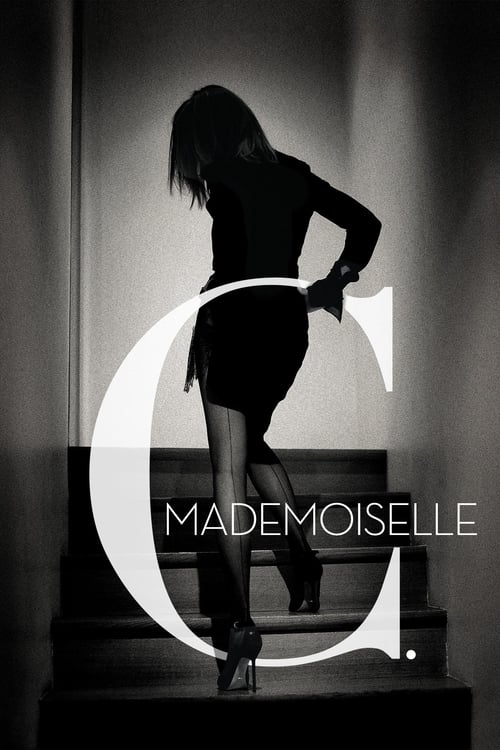
Mademoiselle C
2013
No user ratings available yet
Representation score: 4.4 out of 10

Representation Score
Good
2018
Director
Olivier Meyrou
Runtime
74 minutes
Average Rating
No ratings yetNew Showbiz Analysis
The film opens in high-contrast black and white, mimicking the glossy aesthetic of 1960s fashion photography, immediately framing Yves Saint Laurent’s life as a curated image rather than a raw biography. This visual choice sells a specific meaning: the artist’s personal wreckage is the necessary fuel for his aesthetic triumph. The camera lingers on Yves’s hands and sketches, treating his addiction and erratic behavior not as moral failings but as the price of genius. Pierre Bergé is positioned as the grounded counterweight, the "good man" who holds the line while Yves burns bright and chaotic. The sold meaning is that artistic legacy justifies personal neglect; the women who orbit Yves are beautiful but interchangeable, their departures framed as inevitable sacrifices for the work. The contradiction lies in the film’s dual register: it critiques the toxicity of the genius myth while simultaneously enshrining it. Yves never truly pays for his emotional abuse; he is always forgiven, always supported by Bergé’s steady hand. The ending rewards the artistic legacy over the human cost, suggesting that the "celebration" is of the work, not the man. This is a liberal performance of authenticity: the film uses the language of vulnerability and queer love to validate a traditional hierarchy where the singular male genius is the center, and everyone else is a supporting actor in his masterpiece. The last image is a quiet fade on Yves, exhausted but victorious, affirming that in the world of high fashion, the art is the only thing that matters.
Category Breakdown
Pierre Bergé and Yves Saint Laurent anchor the narrative as a stable, non-normative couple. Their partnership operates without apology, serving as the film’s central axis. No external conflict arises from their orientation.
Bergé stabilizes the business and emotional chaos, while Yves remains the fragile genius. Women appear as muses or anchors, defined by proximity to the artist. Their roles lack independent agency.
The cast and setting are exclusively white, French, and elite. The film offers no perspective on race, colonialism, or non-European labor. It reflects the insular bubble of Parisian fashion.
The film celebrates the French fashion establishment and the myth of the tortured genius. It critiques the personal cost but ultimately validates the artistic legacy. The hierarchical structure is treated as a worthy sacrifice.
Yves’s addiction and physical decline are portrayed as symptoms of creative intensity. The body is a site of aesthetic decay. There is no medical framing or systemic critique of disability.
Present on Screen
Limited or Absent
Official Synopsis
A documentary on Yves Saint-Laurent and the legendary fashion designer's final show.
2013

2015

2015

2014

2013
2018
2019

2018
No reviews yet. Be the first to share your thoughts on this movie!
Use the rating form above to leave a star rating and optional review.