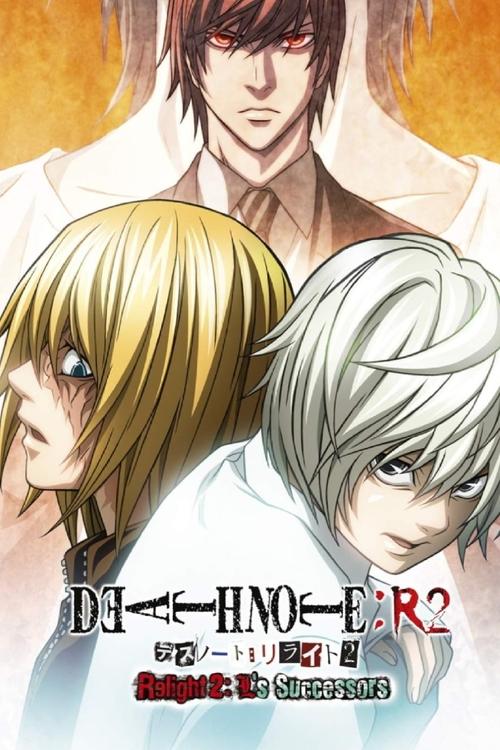
Death Note Relight 2: L's Successors
2009
No user ratings available yet
Representation score: 4.0 out of 10
Representation Score
Fair
2007
RDirector
Tetsuro Araki
Runtime
131 minutes
Average Rating
No ratings yetNew Showbiz Analysis
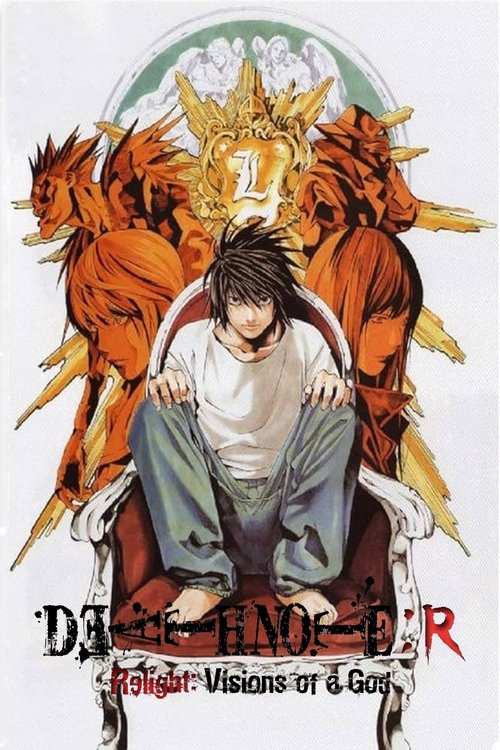
Death Note Relight 1: Visions of a God is a character-driven thriller that prioritizes philosophical conflict over demographic breadth. The narrative is deeply anchored in a male-centric power struggle, leaving little room for diverse gender or LGBTQ+ perspectives. While the film lacks traditional representation, it excels in its cultural interrogation. It successfully deconstructs Western-style legal institutions by presenting a protagonist who operates above human law, challenging the legitimacy of systemic authority. Ultimately, the work is a study of moral relativism. It trades social diversity for a complex, high-concept exploration of utilitarianism and the corruption of established social contracts.
Category Breakdown
The story focuses almost entirely on the psychological duel between male protagonists. There is no presence of LGBTQ+ identities or same-sex intimacy.
The plot centers on male intellectual dominance and power struggles. Female characters often serve as reactive figures tied to male motivations.
Set in modern-day Japan, the film features a predominantly Japanese cast. It reflects a homogeneous social environment without diverse casting.
The film offers a profound critique of established justice systems. It explores moral relativism by framing the protagonist's actions as a challenge to state authority.
Characters do not demonstrate ability to act regarding visible or invisible disabilities. Psychological distress is treated through thriller clichés rather than nuanced mental health exploration.
Present on Screen
Limited or Absent
Official Synopsis
When rogue shinigami Ryuk leaves his Death Note in the human world, he has no idea how far the one who finds it will take his new-found power. With the Death Note in hand, brilliant high school student Light Yagami vows to rid the world of evil. A recap of Death Note episodes 1–26, with alternate footage.
2009
2006
2017

2006
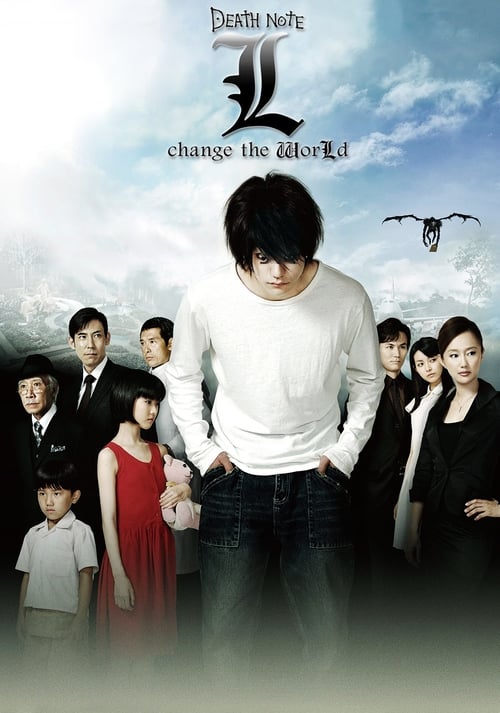
2008
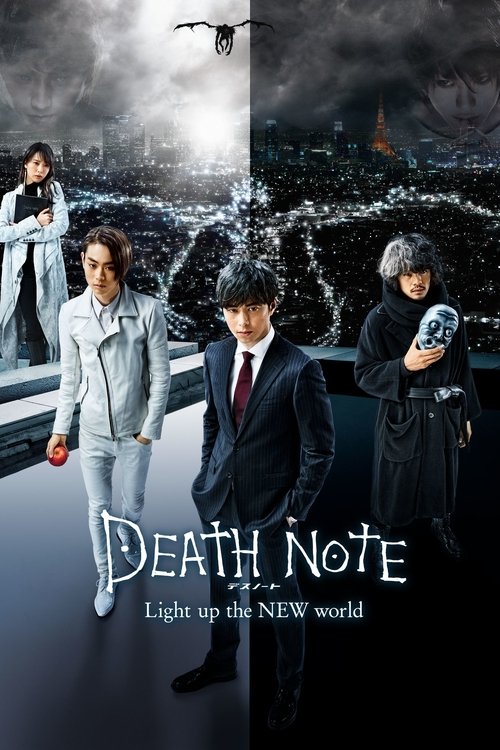
2016
No reviews yet. Be the first to share your thoughts on this movie!
Use the rating form above to leave a star rating and optional review.