Dr. Jekyll and Mr. Hyde
2003
No user ratings available yet
Representation score: 2.4 out of 10
Representation Score
Minimal
1990
PG-13Director
David Wickes
Runtime
96 minutes
Average Rating
No ratings yetNew Showbiz Analysis
This adaptation of the classic Gothic tale emphasizes historical accuracy and Victorian social hierarchies over modern multi-layered complexity. The narrative structure upholds traditional values of morality and social stability. Gender and racial representation are limited by the period setting and adherence to classical genre conventions. Ultimately, the film focuses on the internal struggles within a rigid social framework, offering little in the way of diverse perspectives or character's ability to drive the story.
Category Breakdown
The film does not include any LGBTQ+ characters or non-straight relationships. The story revolves around Jekyll's feelings for his sister-in-law, reinforcing traditional heterosexual norms.
Female characters mainly serve as moral guides or domestic figures. They influence Jekyll's psychological state but do not have the power to drive the scientific or supernatural plot.
The cast is mostly white and Anglo-Saxon, reflecting the homogeneous society of Victorian London. There is no indication of diverse ethnic perspectives or color-blind casting.
The story functions as a traditional moral cautionary tale. It emphasizes the conflict between scientific ambition and established ethical norms without critiquing institutions.
Jekyll's transformation symbolizes a fractured psyche or loss of autonomy. However, it is portrayed as moral corruption rather than a lived experience of neurodivergence or disability.
Present on Screen
Limited or Absent
Official Synopsis
Henry Jekyll is a troubled man. His wife died of pneumonia. He wants his sister-in-law, but her father forbids any contact. And his experiments into the dual nature of man have yielded a personality-splitting drug that he has tested on himself, changing him into an uninhibited brute who seeks violent and undignified pleasures. Jekyll quickly becomes addicted to the sordid freedom induced by the drug. He can commit the most enjoyably revolting deeds, then return to his laboratory and use an antidote to change back to his original form, so that his lofty persona remains untarnished.
2003

1931
2006
1960
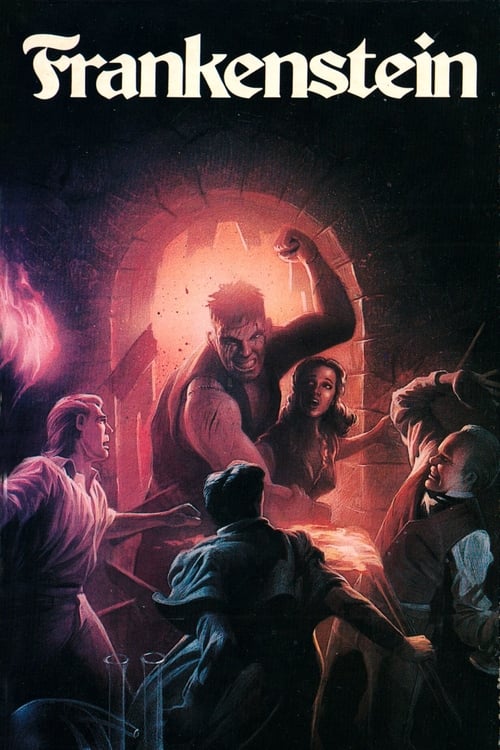
1984
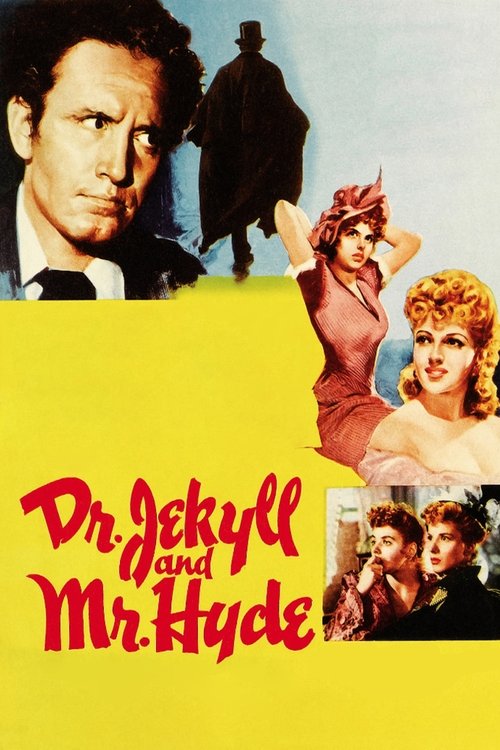
1941
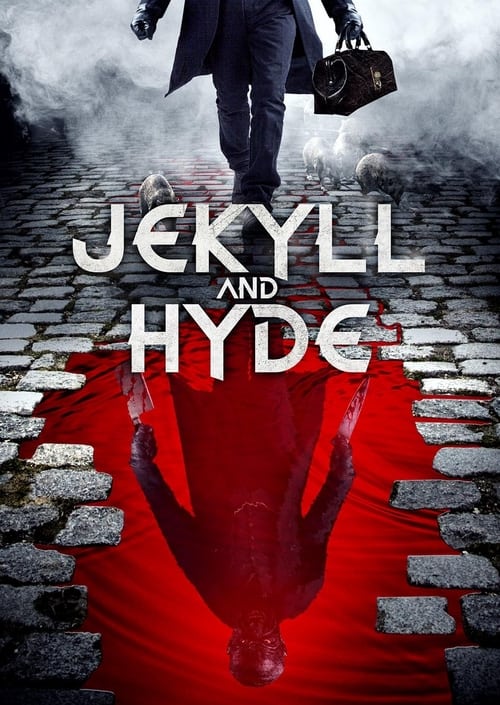
2021
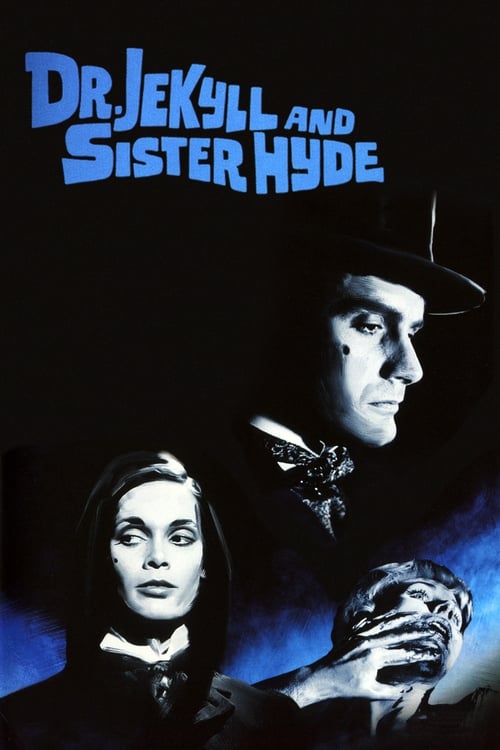
1971
No reviews yet. Be the first to share your thoughts on this movie!
Use the rating form above to leave a star rating and optional review.