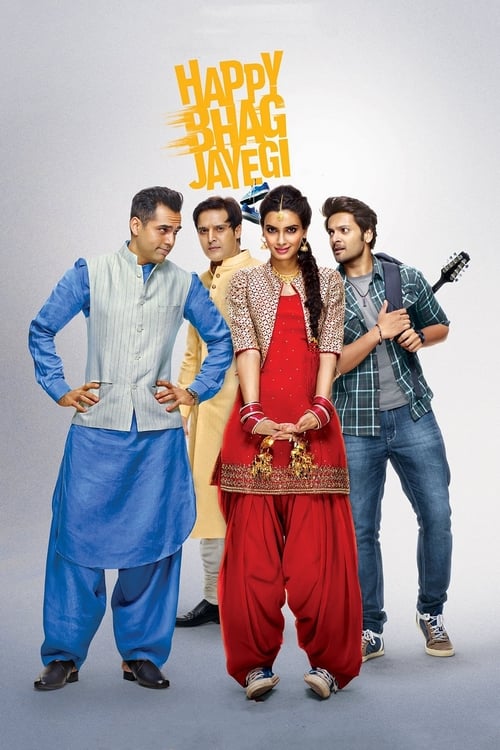
Happy Bhag Jayegi
2016
No user ratings available yet
Representation score: 3.9 out of 10

Representation Score
Fair
2018
PG-13Director
Ahsan Rahim
Runtime
155 minutes
Average Rating
No ratings yetNew Showbiz Analysis
Teefa in Trouble succeeds by shifting the cultural focus to South Asian identity within a European setting. By placing a Pakistani protagonist at the heart of a criminal underworld, the film avoids marginalizing the South Asian experience. However, the film adheres to traditional social structures. The reliance on conventional marriage setups and established gender roles limits its ability to challenge systemic norms. Ultimately, the film's strength lies in its refusal to adopt a Western-centric perspective, offering a vibrant platform for ethnic representation despite its adherence to typical genre conventions.
Category Breakdown
The film does not include any explicit LGBTQ+ characters or explore non-straight relationships. The plot revolves around a traditional marriage setup that adheres to conventional norms.
Gender roles remain traditional throughout the story. While the protagonist actively drives the plot, the central storyline relies on social contracts and family-based marriage expectations.
The film stands out by focusing on South Asian identity within a Polish context. It challenges Western-centric views by highlighting Pakistani characters who play key roles in the story.
The narrative delves into the conflicts between Pakistani traditions and European settings. It examines transnational identity through the lens of a commercial action-comedy.
There are no characters with physical or neurodivergent disabilities in the film.
Present on Screen
Limited or Absent
Official Synopsis
Teefa goes to Poland to get Anya to Pakistan to marry Butt gangster's son but lands up in trouble with Anya's gangster father and the Polish police.
2016

2007

2018

2011

2016

2017
2019

2015
No reviews yet. Be the first to share your thoughts on this movie!
Use the rating form above to leave a star rating and optional review.