America, Here We Come!
2014
No user ratings available yet
Diversity score: 5.3 out of 10
2014
Director
Ben Hopkins
Runtime
96 minutes
Average Rating
No ratings yetSynopsis
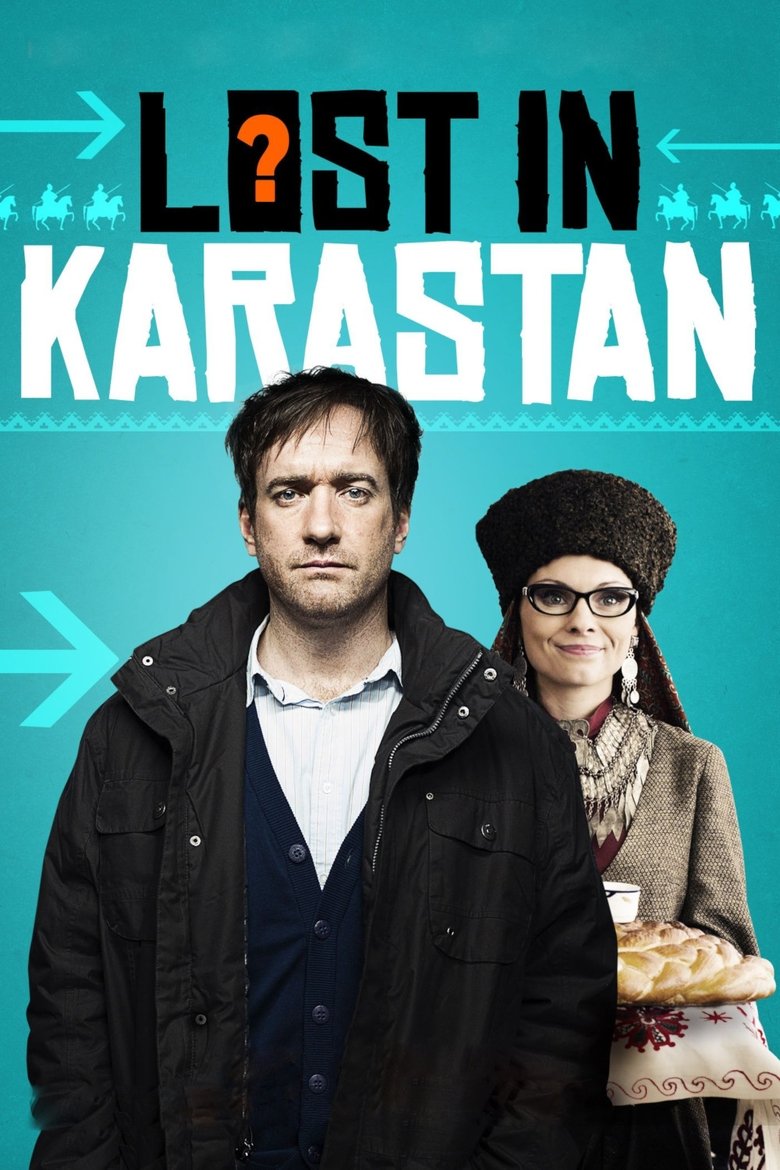
A filmmaker from England is hired to direct an epic production in the Caucasus region of Europe.
Overall Score
Fair
Category Breakdown
LGBTQ+ Representation
The film lacks explicit evidence of queer narratives or non-cisnormative identities. While the comedic genre might subvert social structures, no specific identity-driven arcs are present.
Gender Representation
The story centers on the professional decline of a male protagonist. While it critiques patriarchal power through a corrupt dictator, central agency remains with the male lead.
Racial & Ethnic Diversity
The Caucasus Republic setting provides a non-Anglo-Saxon majority environment. This disrupts Western-centric perspectives by placing a British filmmaker within a diverse, local population.
Religious & Cultural Diversity
The narrative challenges Western hegemony by focusing on a nascent, non-Western state. It uses political instability to critique traditional institutional stability and Western-imposed epics.
Disability Representation
There is no evidence regarding the portrayal of physical or neurodivergent disabilities within the film's narrative.
Strengths
Areas for Improvement
AI Analysis
Lost in Karastan succeeds as a structural critique of Western hegemony. By transplanting a British director into a volatile Caucasus Republic, the film shifts the focus away from traditional Anglo-centric storytelling toward a more complex, post-colonial landscape. The film's strength lies in its geopolitical friction and its willingness to deconstruct traditional authority. It uses satire to examine the intersection of individual agency and systemic corruption within a non-Western political entity. However, the film lacks depth in specific character-driven representation. While the setting is diverse, the narrative remains anchored to a male protagonist, and there is no visible inclusion of LGBTQ+ or disability-related storylines.
2014
2015
2012
2015

1984
2009

2014
2017

2010
2006

2018

2020
No reviews yet. Be the first to share your thoughts on this movie!
Use the rating form above to leave a star rating and optional review.