
Mercy Rule
2014
No user ratings available yet
Representation score: 1.2 out of 10

Representation Score
Fair
2004
PGDirector
Hugh Wilson
Runtime
90 minutes
Average Rating
No ratings yetNew Showbiz Analysis
Mickey successfully disrupts cinematic norms by placing a Black protagonist at the center of its narrative. The film provides a critical look at how media institutions commodify racial identity and create a spectacle around individuals. However, the film's impact is limited by a narrow focus on a singular male protagonist. The lack of complex female character arcs and the absence of LGBTQ+ or disability-related themes result in a traditional, somewhat one-dimensional social framework. Ultimately, while the casting provides meaningful representation, the film remains rooted in conventional storytelling that lacks depth in addressing multiple aspects of identity.
Category Breakdown
The film does not include any LGBTQ+ characters or depict same-sex intimacy. It focuses on the protagonist's journey through celebrity culture, adhering to traditional heterosexual norms.
The narrative heavily centers on the male protagonist, limiting exploration of gender dynamics. The story follows a conventional masculine trajectory with little involvement of women in driving the plot.
The film centers a Black protagonist, examining how media shapes public perception of Black individuals. This disrupts the 'white-as-default' norm by critiquing how media commodifies racial identity.
The story critiques how celebrity culture commodifies individuals through capitalist media structures. It comments on the volatility of public perception.
The narrative does not focus on visible or invisible disabilities. There is no utilization of neurodivergence or physical disability as central themes for character development.
Present on Screen
Limited or Absent
Official Synopsis
Widower Tripp Spence goes on the run from the IRS with his 12-year-old baseball-phenomenon son Derrick. They assume new identities and flee to Las Vegas, where Derrick, now known as Mickey, joins a team that makes it to the Little League World Series. But will fame give away his true identity?
2014

2011

2012

2009

1993
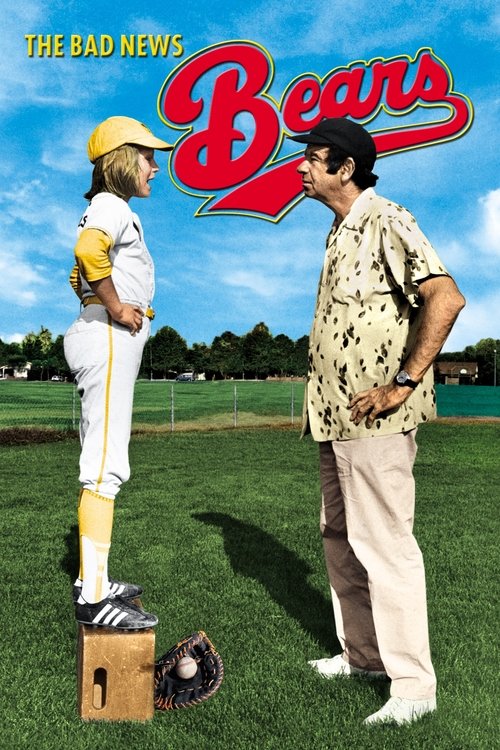
1976

2016

2004
No reviews yet. Be the first to share your thoughts on this movie!
Use the rating form above to leave a star rating and optional review.